Why Demon Slayer “Infinity Castle” Trilogy is the Ultimate Test for ufotable
Ufotable’s three-part cinematic gamble on the "Infinity Castle" arc is officially set to redefine how the anime industry handles major finales.

There was a time when the path of a successful shonen anime was as predictable as clockwork. You would get a weekly 24-episode television run, a few filler arcs to let the manga breathe, and perhaps a non-canon movie thrown in every couple of years as a fun, high-budget cash grab.
Then came Demon Slayer: Mugen Train.
When a single canon sequel film grossed over $500 million worldwide, it didn’t just break box office records, it completely broke the traditional anime distribution model. Fast forward to today, and ufotable has taken the ultimate gamble: adapting the entire, highly anticipated Infinity Castle Arc not as a standard television season, but as a massive, theatrical movie trilogy.
This decision has sparked a fierce debate among fans and industry analysts alike. Is this the peak of cinematic anime production, or are we witnessing the over-monetization of the medium? Let’s break down the technical, financial, and emotional weight of this monumental theatrical transition.
1. The Hype of the Infinite: Why TV Couldn’t Contain It
The Infinity Castle is arguably one of the most visually complex environments ever penned in manga. It is an endlessly shifting, multi-dimensional fortress of gravity-defying wooden corridors, sudden drop-offs, and sliding shoji screens.
When ufotable first teased the location in the anime’s earlier seasons, they utilized a groundbreaking hybrid of hand-drawn 2D characters moving through a fully realized, 3D digital environment. It was a technical marvel, but executing that level of dynamic camera movement and spatial tracking over a standard 10-to-12-episode TV run is an absolute production nightmare.
By shifting the project to three feature-length films, ufotable secures several crucial advantages:
- The Gift of Time: Instead of rushing to meet weekly broadcast deadlines, the studio can afford to spend months polishing a single, five-minute fight sequence.
- The Hollywood Budget: Feature films command vastly superior budgets compared to television episodes. This allows for higher frame rates, more complex compositing, and orchestral, theater-grade sound design.
- Unrestricted Pacing: TV blocks force episodes into rigid 22-minute boxes. A movie format allows the directors to let the emotional weight of character deaths and brutal battles breathe, building tension without having to cut to a commercial break or an ending theme song.
2. The Fan Dilemma: The Cost of a Ticket
While the promise of “movie-quality animation” sounds incredible on paper, the practical reality for global fans is a bit more complicated. Shifting a major narrative arc entirely to theaters introduces a massive geographic and financial barrier.
The Waiting Game: For domestic fans in Japan, the theatrical releases are highly accessible. But for international audiences, the gap between the Japanese premiere, the localized global theatrical run, and the eventual streaming release on platforms like Crunchyroll can stretch into six to nine months.
For a fandom that lives and breathes on social media, this creates an absolute minefield of spoilers. How do you keep the emotional impact of a massive character death intact when half the internet has already seen the movie half a year before it lands on a streaming service in your country?
Furthermore, there is the literal cost. Following a story that used to be included in a standard streaming subscription now requires purchasing three separate movie tickets over the span of a couple of years. For younger fans or those in regions with limited theater distribution, this “paywalling” of the story’s climax feels like a tough pill to swallow.
3. The Technical Frontier: Pushing the Limits of Hybrid Animation
If there is any studio that can justify this theatrical model, it’s ufotable. Their reputation for combining traditional digital paint with cutting-edge 3D camera mapping is unmatched.
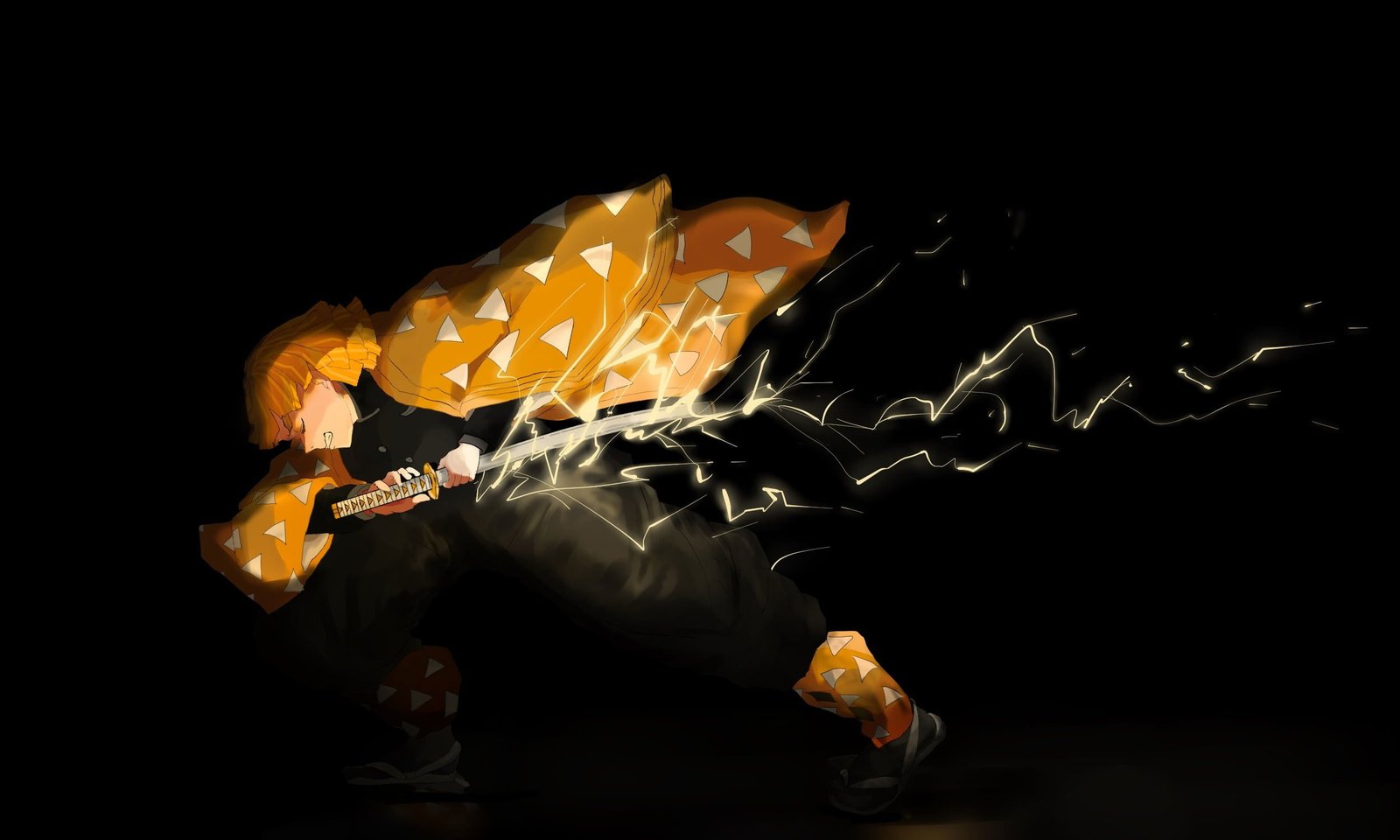
In the Infinity Castle trilogy, we are seeing the culmination of this hybrid style. When characters like Zenitsu or Tanjiro engage in high-speed, acrobatic battles while the rooms around them spin, rotate, and invert, the camera has to move with them in three-dimensional space.
Standard 2D animation struggles with this because drawing changing perspective angles on a moving background 24 times a second by hand is virtually impossible. ufotable solves this by building the entire castle as a digital 3D model, allowing directors to place “virtual cameras” that can sweep, pan, and dive through the space. The 2D hand-drawn character frames are then meticulously composited into this digital environment, using advanced lighting and shadow-matching filters to make sure the hand-drawn elements feel perfectly grounded in the digital world.
The result is a sense of scale, kinetic energy, and speed that is almost claustrophobic—perfect for a setting that is meant to feel like an inescapable, chaotic labyrinth.
The Verdict: A Blueprint for the Future?
The Demon Slayer: Infinity Castle trilogy is more than just the end of a beloved story; it is a live experiment that the entire anime industry is watching with bated breath.
If this trilogy succeeds in replicating the box office magic of Mugen Train, it will permanently change how studios approach the climaxes of major intellectual properties. We may see a future where television seasons are reserved for building up the plot, while the final, action-heavy arcs are treated exclusively as premium, blockbuster cinematic events.
For fans, it means we are getting some of the most breathtaking, visually stunning animation ever put to screen—even if we have to wait a little longer, and pay a little more, to witness it.
More From the Creator Space
If you’re a designer or animator inspired by ufotable’s incredible production values, you don’t need a multi-million-dollar studio budget to start experimenting with these concepts.
You can check out this Introduction to Procedural Animation and Motion Design to learn how modern designers use node-based networks and spatial workflows to create complex, dynamic animations right from their home workstations.