Google Pixel 11 Pro Schematic Leak Reveals New “Pixel Glow” Interface, Dropping Old Sensors
A massive June 2026 schematic leak exposes Google's Pixel 11 Pro, replacing the temperature sensor with "Pixel Glow" RGB LEDs.

The modern mobile communication industry has spent the last few product cycles trapped in a deeply exhausting, wildly predictable cycle of corporate repetition. Dominant platform holders and mainstream manufacturing labs have grown entirely comfortable rolling out minor physical chassis updates, incremental camera megapixel bumps, or basic software variations that refuse to alter the core structural experience of consumer hardware. Technology bloggers, professional developers, and daily smartphone users have grown completely burned out by this passive approach: you are constantly forced to absorb defensive public relations marketing while enduring high entry price points, rising component manufacturing tiers, and stagnant design logic that fails to capture the raw creative magic of early mobile computing breakthroughs.
On June 10, 2026, Google completely shifted that narrative of quiet corporate iteration.
While the general tech space was focused on standard mid-year mid-range device launches, official system files and hardware schematics dropped a massive blueprint directly into public view.
An exhaustive data leak tracing through the r/GooglePixel community and Android ecosystem monitors has exposed the comprehensive system specifications for the upcoming Google Pixel 11 Pro (internal codename Grizzly). Scheduled for its official unveiling in late August 2026, the device has bypassed early prototype secrecy entirely through a massive hardware schematic breach.
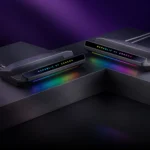
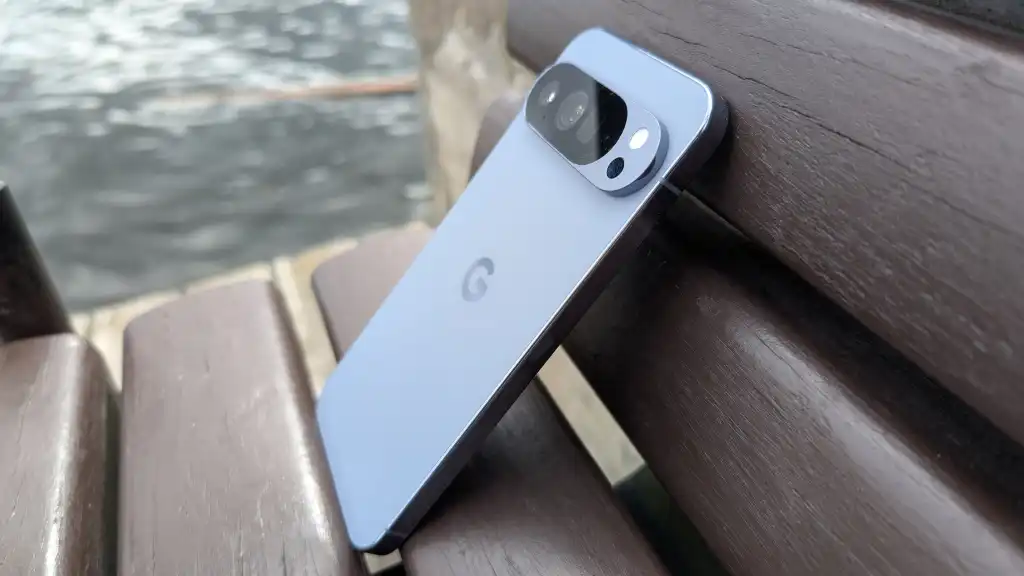
The defining revelation cutting through the tech space is the complete removal of the rear-facing infrared temperature sensor. In its place, Google is debuting a brand-new mechanical interface dubbed “Pixel Glow.” This hardware revision integrates a highly customized, full-color RGB LED array that wraps seamlessly around the signature camera visor frame, transforming the back of the phone into a functional, glanceable status matrix. Let’s look straight beneath the hood at the factory-verified hardware specifications, real-world Android 17 integration, and architectural system nodes driving this historic Pixel evolution.
Technical Specifications: The Leaked Pixel 11 Pro Architectural Grid
To appreciate how drastically Google’s hardware teams are re-engineering their custom silicon, visual notification frameworks, and network reception paths to fix legacy pain points, let’s look at the leaked system metrics:
| System Layer | Leaked Architecture Component | Real-World Operational Impact |
| Core Compute | Google Tensor G6 SoC (TSMC 2nm Process Node) | Eliminates historical thermal throttling while boosting local on-device NPU cycles |
| Silicon Layout | 1× Cortex-C1 Ultra (4.11 GHz) + 6× Core Processing Tree | Maximizes high-load execution loops with major active power reductions |
| Visual Interface | “Pixel Glow” Integrated Camera Bar RGB LED Matrix | Serves as an adaptive, multi-colored notification frame and Gemini AI status loop |
| Display Panel | 6.3-inch Generation-Next M16 LTPO OLED Display | Pushes elite peak brightness metrics while reducing passive battery draw |
| Network Node | MediaTek M90 5G Baseband Modem Pipeline | Replaces Exynos silicon to permanently fix mobile signal drop issues |
| Memory Buffer | 16GB High-Speed LPDDR5X Configuration | Provides clean headroom for complex real-time local image processing |
1. Unmasking Pixel Glow: The Evolution of the Camera Bar Interface
Historically, when a primary smartphone manufacturer introduces experimental hardware components, they risk trapping users in a loop of uninspired design gimmicks. Features are integrated into premium frames with immense marketing fanfare, only for consumers to discover the tool lacks a genuine, daily use case. This engineering mismatch was highly visible with the infrared temperature sensor introduced on previous Pro flagships, which sat largely forgotten by users after initial novelty testing faded.
The leaked Pixel Glow architecture completely corrects this spatial layout by swapping out dead sensors for highly practical hardware functionality.
According to code blocks discovered within recent Android 17 Beta 4 updates under the internal tag “Orbit,” the new RGB LED array is directly connected to the system’s notification subsystem. Instead of copying the bright, stark aesthetic seen on niche gaming phones, Google’s execution wraps a premium, diffuse full-color matrix directly around the camera visor frame. This allows the phone to pulse with soft, color-coded ambient signals depending on the specific priority contact reaching out, show localized charging progress bars when resting face down, and emit an organic status pulse when Gemini AI is executing complex voice commands locally.
2. The Tensor G6 2nm Jump: Moving Beyond Thermal Constraints
Beyond the visual changes to the rear chassis, the June 10 leak confirms a massive structural shift regarding Google’s silicon manufacturing pipeline. For several development cycles, custom Tensor processors faced persistent criticism from tech reviewers and power users due to aggressive thermal throttling under heavy workloads, resulting in dropped frame rates during prolonged multimedia processing or intense on-device multitasking.
The leaked Tensor G6 technical specs reveal that Google has permanently cut ties with legacy foundry structures to build its new engine on TSMC’s Elite N2 (2nm) Process Node.
By leveraging TSMC’s advanced 2nm geometry, the Tensor G6 achieves an incredible 30% improvement in power efficiency alongside a 15% jump in absolute computing performance. The completely overhauled CPU layout pairs a roaring 4.11 GHz master core with an optimized six-core cluster. This architectural shift ensures that the Pixel 11 Pro runs remarkably cool to the touch, keeping thermals perfectly stable even when executing heavy generative AI video transformations right on the device.
3. Fixing the Mobile Node: The MediaTek M90 Modem Transition
The mobile enthusiast market has spent the last few product cycles tracking a persistent hardware bottleneck regarding the Pixel’s cellular infrastructure. Reliance on legacy baseline modems frequently resulted in slower data reconnection speeds when passing through dead zones, unexpected power draw when searching for 5G towers, and erratic signal stability in crowded urban areas.
The leaked Pixel 11 Pro schematic confirms that Google has officially resolved this lingering pain point by integrating the MediaTek M90 Baseband Modem.
This component shift represents a major win for network reliability. The MediaTek M90 platform introduces advanced dual-radio power optimization and superior sub-6GHz aggregation capabilities. By dropping older, power-hungry modem blocks, the Pixel 11 Pro can maintain crisp, high-bandwidth data connections in low-signal environments while drawing significantly less power from the battery, effectively resolving the final major structural complaint associated with Google’s flagship lineup.
4. Localized NPU Power and Advanced 4K Cinematic Processing
For mobile creators and developers who evaluate upcoming hardware through the lens of computational photography, the most vital element hidden inside these leaked spec sheets is the local image coprocessor upgrade. Previous generations had to offload heavy Night Sight rendering and complex lighting adjustments to external cloud servers, introducing noticeable processing delays before users could view their finalized media assets.
The leaked technical documentation notes that the Pixel 11 Pro pairs its custom GXP Imaging Coprocessor with a highly advanced local TPU framework.
This combined processing power allows the device to run Night Sight Video 2.0 completely on-device in real time, eliminating the need for cloud-based rendering queues. Furthermore, the local processing overhead allows the cinematic blur video engine to scale up from 1080p to a crisp 4K resolution at 30 frames per second, ensuring smooth subject tracking and natural edge separation right inside the native camera view.
The Verdict: Google Solidifies Its Flagship Identity
The public surfacing of the Google Pixel 11 Pro Hardware Leak represents an uncompromised, incredibly calculated refinement of the Pixel ecosystem. By trading an underutilized temperature sensor for a highly functional “Pixel Glow” RGB ambient display, moving its master silicon to TSMC’s pristine 2nm node, and fixing cellular reception paths with a dedicated MediaTek M90 modem, Google has built a beautifully balanced flagship that addresses user feedback directly.
Pros
- Practical Functional Design: The “Pixel Glow” LED array transforms the iconic camera bar into a highly useful, glanceable notification center.
- TSMC 2nm Power Efficiency: Shifting to the Tensor G6 on a 2nm node completely fixes legacy overheating and battery drain issues.
- Upgraded Cellular Reliability: The transition to the MediaTek M90 modem locks down rock-solid 5G network performance.
- On-Device Pro Video Processing: Enables local 4K cinematic rendering and real-time low-light video optimization without cloud delays.
Cons
- Controversial Base Model RAM Splits: Leaked data hints that lower baseline models might experience a slight memory reduction compared to the Pro tiers.
- Niche Tool Removal: Fans of the niche infrared temperature sensor will find the hardware component entirely stripped from the chassis.
To explore the verified architectural blueprints, complete benchmark readouts, and localized hardware tracking logs surrounding this upcoming launch, you can head directly over to the definitive 9to5Google Technology Portal to analyze exactly how this upcoming Android ecosystem is taking shape!
What do you think?
Does the revelation that Google is replacing the old temperature sensor with a customizable “Pixel Glow” RGB notification ring make you incredibly excited to pick up the Pixel 11 Pro this August, or do you feel that custom LED lighting frames are too much of a design departure for a premium corporate flagship? Let us know your thoughts in the comment section below!