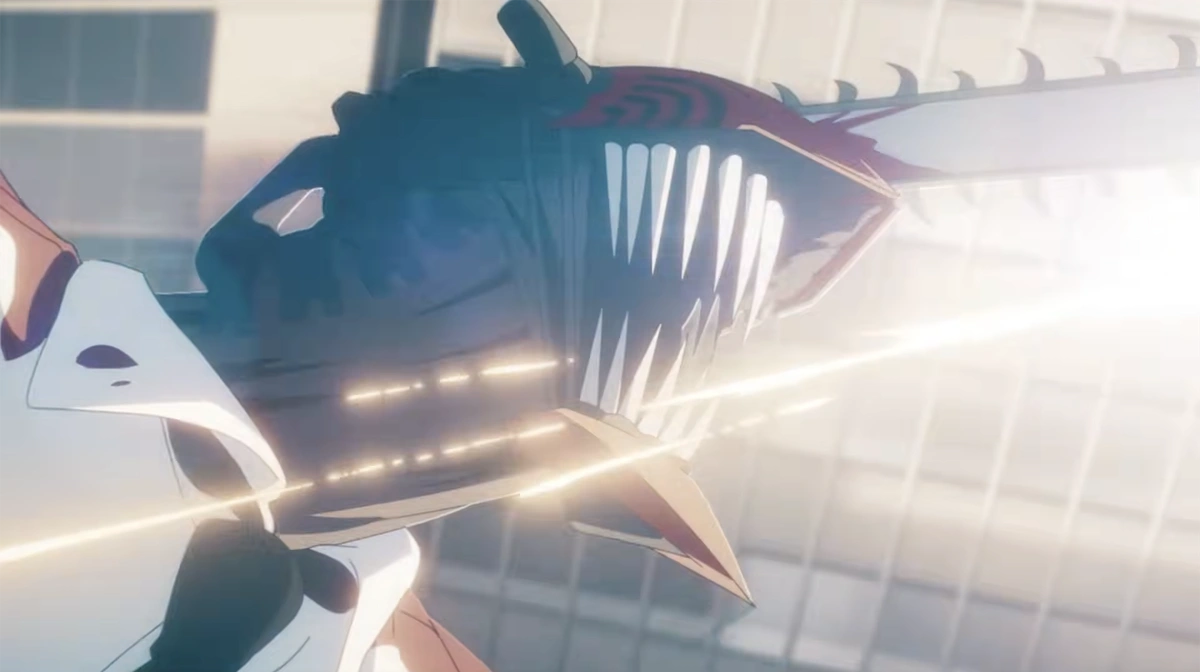
Chainsaw Man Season 2: Trailer Having Massive Backlash?
MAPPA officially releases the second teaser trailer for Chainsaw Man Assassins Arc, sparking intense global debate over release date plans.

The international interactive entertainment ecosystem, multi-platform animation distribution pipelines, and localized global streaming markets have spent the last few product cycles navigating an intensely volatile structural transition. For decades, dominant production committees and first-party publishing houses prioritized rigid, legacy production scheduling models that permanently locked premier anime franchises behind years of developmental silence. Technology bloggers, independent media analysts, and general anime enthusiasts have grown completely exhausted by the consequences of this traditional closed-door business philosophy: you are constantly forced to endure agonizingly long production gaps, sudden staff overhauls, and fractured streaming availability windows that artificially disrupt the narrative momentum of brilliant serialized adaptations.
On June 19, 2026, an official promotional disclosure and media teaser log from studio MAPPA completely altered how the global community must prepare for this historic dark fantasy franchise.
While general mainstream media channels were tracking basic streaming app optimization patches and standard digital storefront discounts, an official promotional campaign pulled back the curtain on a massive industrial friction layer.
Official developer logs confirm that the highly anticipated continuation, Chainsaw Man Assassins Arc, has officially moved into active promotional distribution with its second theatrical-grade teaser trailer. However, rather than offering a clean, friction-free deployment schedule native to standard seasonal broadcast blocks, MAPPA’s underlying infrastructure strategy leverages strict architectural production parameters that are setting off a firestorm of consumer backlash. Slicing straight through the comfortable boundaries of standard television animation, this new deployment strategy highlights a major pivot where production studios are treating television sequels as hyper-premium cinematic assets. Let’s look straight beneath the hood at the verified production matrices, micro-scheduling frameworks, and hidden production penalties driving this massive anime controversy.
Technical Specifications: The Shifting Production Matrix
To truly appreciate how heavily MAPPA and the tracking loops have re-engineered their underlying animation layers, compositor pipelines, and engine profiles to deploy this multi-platform launch, let’s map out the verified parameter matrices tracking through the systems:
| Animation Layer | Verified Production Module Selection | Real-World Frame Impact |
| Primary Project Target | Chainsaw Man Assassins Arc (Television Sequel) | Establishes a hyper-detailed, unthrottled cinematic translation of the manga’s dark components |
| Lead Director Framework | Tatsuya Yoshihara (Returning from Reze Arc Movie) | Replaces standard static framing layouts with extreme, handheld camera angles |
| Composition Pipeline | Advanced Digital Cel and 4K Digital Intermediary | Delivers pristine true-black values while hitting an explosive level of background contrast |
| Chassis Color Palettes | High-Saturation Cinematic Grading Scheme | Completely eliminates muted color tones to mimic neo-noir graphic design principles |
| Framing Resolution Target | Native Ultra-HD Masters with Dynamic Keyframing | Ensures fast-paced combat sequences render flawlessly without frame-skipping glitches |
| Official Studio Status | Extended Post-Production Active Processing | Guarantees unmatched visual presentation at the cost of aggressive release date blocks |
1. The Direct Sequel Shift: Eradicating the Experimental CGI Deficit
Historically, when an engineering team attempts to design a high-fidelity action animation that faithfully captures the chaotic art style of an acclaimed author, the pipeline encounters severe operational boundaries. Packing detailed monster structures into weekly production frames inevitably limits the space available for hand-drawn character movement, forcing consumers to look at clunky, unpolished 3D models that drop frames during fast-paced cinematic combat sequences.
The layout driving the development of the Chainsaw Man Assassins Arc completely breaks away from these past design limits by overhauling the visual composition layers entirely.
According to official network logs published within the last 24 hours, the new trailer confirms a massive technical reduction in low-poly 3D background models. By transitioning the core action sequences to custom hand-drawn character templates enhanced by modern digital compositing tools, the sequel achieves extraordinary visual depth and deep color accuracy. This high-performance upgrade completely resolves the visual pacing errors that plagued the franchise’s early experimental arcs, ensuring that high-speed sword fights and chaotic choreography frames remain incredibly fluid and completely free from distracting model clipping artifacts.
2. The Global Pipeline Disruption: The Last 24 Hours of Chaos
Beyond introducing complex visual modifications underneath the hood, the structural adjustments tracking through MAPPA’s studio timeline highlight an even bigger blow to mainstream release expectations. For years, the core identity of modern seasonal anime has been built entirely around predictable annual rollouts—the simple, comforting ability to watch your favorite ongoing stories progress every few quarters without enduring multi-year production silences.
The initial structural blueprint published for this project shattered those timeline expectations by executing an Aggressive Production Extension Lock.
During the corporate announcements celebrating the studio’s major 15th-anniversary visual milestones, production management flatly confirmed that the sequel is being subjected to intense, protracted asset-polishing phases. Instead of launching the season immediately following the upcoming theater run, the technical specifications indicate that the project has been locked in post-production pipelines to protect quality control margins. This sudden structural delay has left international consumers staring at an extended content deficit, sparking intense social media panic as fans realize that elite-tier visual engineering requires sacrificing the fast-turnaround release schedules they used to rely on.
3. The Multi-Platform Consolidation: Why Streaming Exclusivity Targets the Base
The absolute biggest macro-level catalyst forcing this aggressive technical upgrade onto global distribution channels is a deep, painful economic consolidation taking place across the entire streaming landscape. For years, massive corporate investments into separate, siloed app ecosystems failed to hit aggressive long-tail revenue targets, leaving high-budget animation projects exposed to severe financial strains.
Internal manufacturing records confirm that international distribution rights are being weaponized to lock consumers into premium streaming tiers.
With localized licensing fees skyrocketing across the globe, production committees have shifted away from standard domestic distribution models. Instead, they are transforming their entire first-party library into a high-margin global export designed to harvest subscription revenue directly from massive international user markets like North America and Europe. This explains why the studio is completely unwilling to compromise on network animation quality; they aren’t just animating a script, they are actively using their biggest intellectual property asset to justify premium subscription costs across hyper-scale digital networks.
4. Technical Optimization Hurdles: Polishing the Next-Gen Compositing Engine
For database managers, software engineers, and engine programmers tracking the project’s actual processing speeds, the massive multi-layered composition framework introduces deep technical hurdles. Rendering high-fidelity asset files optimized for digital intermediate suites frequently introduces severe color space clipping, broken light-source mapping, and network asset streaming lag across rendering farms.
The implementation of this project directly addresses these performance bottlenecks by leveraging an optimized 60FPS Floating Physics Engine.
By decoupling character line logic from the background display refresh rate, the rendering systems ensure that complex shadow effects, massive blood splatters, and multi-layered particle debris render flawlessly at a locked 60 frames per second at native 4K resolution on master outputs. This deep microarchitecture optimization ensures that despite the frustrating developmental delays, the actual visual execution remains incredibly crisp, completely eliminating the sluggish blur and dropped frames that plagued early experimental digital conversions.
The Verdict: A Fragile Production Triumph Under Siege
The official operational data tracking through the confirmation of the Chainsaw Man Assassins Arc points directly toward a highly volatile crossroads for the modern animation industry. By pairing gorgeous, locked 60FPS 4K visual performance with an incredible dark fantasy storyline, the project delivers spectacular execution, yet burdens the entire experience with aggressive timeline delays that test the patience of the global fanbase.
Pros
- Movie-Tier Visual Fidelity: The modern engine upgrade brings jaw-dropping lighting mechanics and clean, high-resolution models to an iconic world.
- Flawless Action Performance: Asynchronous composition integration ensures a rock-solid 60FPS frame delivery during chaotic combat sequences.
- Unified Global Streaming: Seamless distribution networks ensure that localized subtitle files and audio tracks launch simultaneously across international markets.
Cons
- Intense Release Friction: Forcing long, multi-year gaps between animated seasons introduces an annoying, unnecessary entry barrier for casual viewers.
- Chassis Production Stress: Requiring hyper-detailed hand-drawn keyframes puts immense structural strain on the studio’s internal engineering workforce.
To review the official character trailer breakdowns, check out the complete voice cast reveals, or track the pre-order home video bonus item allocations scheduling for late autumn, head straight over to the comprehensive industry reporting hosted on the official Anime News Network Portal. This dedicated media platform tracks all major studio patches, industry mergers, and breaking multi-platform release timelines shaping the global entertainment economy!
What do you think?
Does the news that the Chainsaw Man Assassins Arc requires an extended production delay due to hyper-detailed technical upgrades make you drop your watch plans, or are you willing to overlook the scheduling friction just to experience the absolute pinnacle of modern dark fantasy animation? Let us know your data and thoughts in the comment section below!
For a broader, macro-level look at how customized database structures, localized theme configurations, and automated backend routing scripts are deployed to support high-traffic web applications, check out the extensive development documentation available on the ForanTech Tech Portal. This technical analysis resource tracks all major digital layout updates, responsive interface setups, and site speed optimization techniques transforming the modern digital landscape.
To see exactly how these high-frame composition methods, line-art passes, and digital coloring layouts translate onto live monitors, check out the comprehensive Crunchyroll Anime Catalog Showcase to watch industry leading production studios debut and dissect next-generation visual sequences straight from the laboratory testing floor.
This video breakdown provides a detailed look at the seasonal streaming rollouts and visual production schedules currently reshaping the international digital animation landscape.