Sony Xperia 1 VIII First Look: The Purist Hardware Flagship Reborn
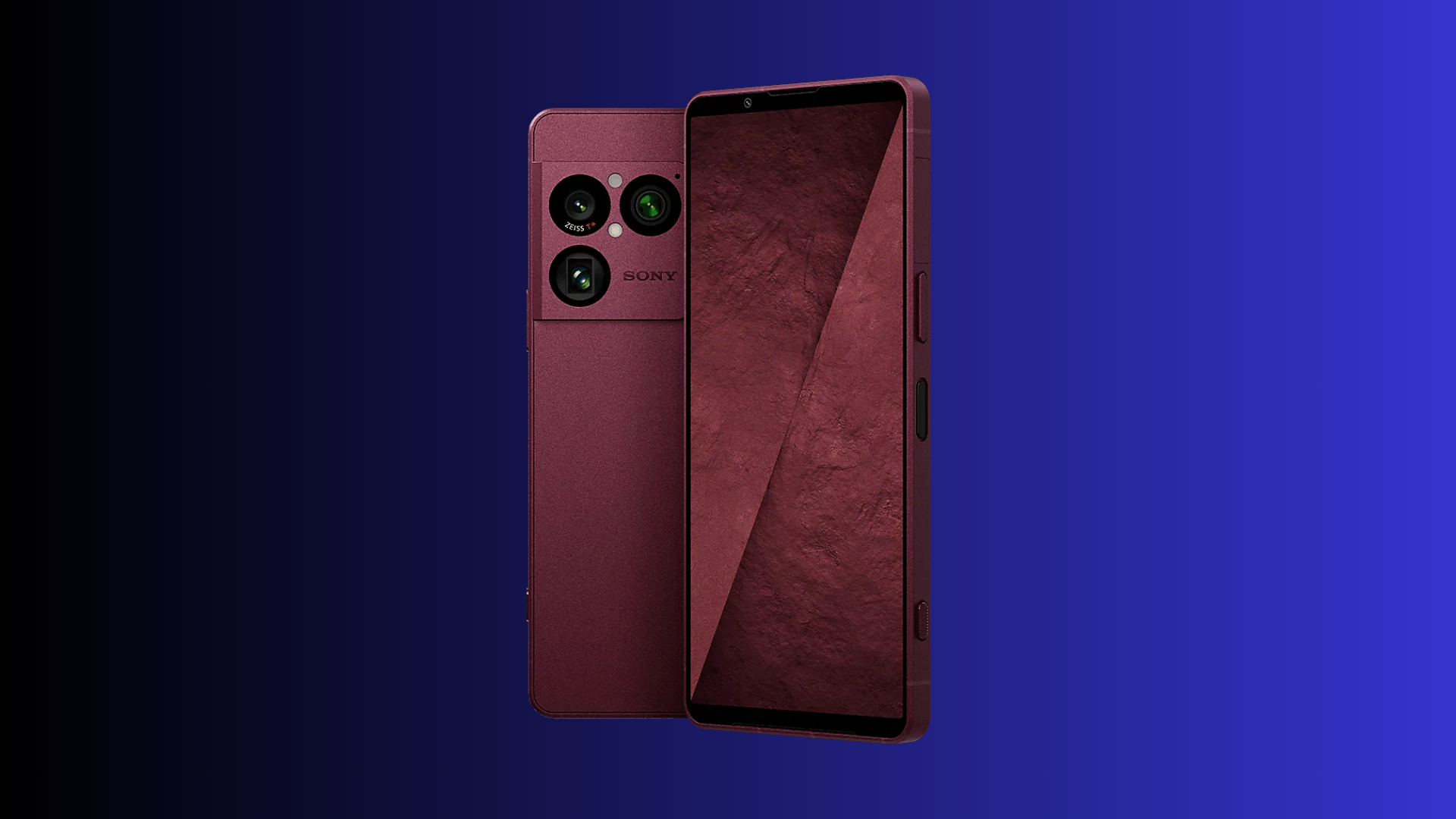
The newly announced Sony Xperia 1 VIII revamps its iconic design, introducing a centered camera island and wider LTPO screen.

For six generations, Sony’s mobile division operated under a strict, unyielding philosophy: a vertical, pill-shaped camera strip on the left, a tall 21:9 display aspect ratio, and minimal aesthetic variation. It was the absolute darling of a very specific crowd of pro photographers and hardware purists, but it rarely felt “new.”
That just changed. Sony’s mid-May 2026 product announcement introduced the Sony Xperia 1 VIII, and it marks the most radical hardware design shift the company has attempted in over half a decade.
By abandoning old design constraints while preserving enthusiast features like expandable storage and a headphone jack, the Sony Xperia 1 VIII is shaping up to be the ultimate power-user device of the year.
Technical Specifications: The Enthusiast Blueprint
Sony isn’t chasing mainstream trends; they are cramming maximum desktop-adjacent features into a mobile frame:
- Processor: Qualcomm Snapdragon 8 Elite Gen 5 (3nm architecture)
- Memory: 12GB or 16GB LPDDR5X RAM
- Storage: 256GB / 512GB UFS 4.0 + MicroSDXC Expansion slot up to 2TB
- Display: 6.5-inch LTPO OLED, 120Hz refresh, refined 19.5:9 creator aspect ratio
- Audio: 3.5mm physical headphone jack, Hi-Res wireless audio, Snapdragon Sound
- Battery: 5,000 mAh with 30W wired PD 3.0 / 15W wireless routing
1. The Design Departure: Moving Past the Vertical Island
The headline feature making waves across tech forums is the rear chassis layout. Sony has officially discarded the vertical camera column they used since 2019.
The Sony Xperia 1 VIII features a newly engineered, centralized camera island that spreads out the massive camera sensors and introduces custom cooling rings around the lenses.
This structural shift isn’t just cosmetic. Spreading the lens array across a wider center block allows Sony to implement a much larger internal graphite cooling sheet. Because the Snapdragon 8 Elite Gen 5 processor runs at high-clock speeds to manage intensive multi-threaded environments, this new design distributes heat evenly across the back plate, avoiding the hot-spots common to older asymmetric internal designs.
2. Display Transformation: More Width, Better Scaling
For years, the extreme 21:9 “cinematic” aspect ratio made Xperia phones incredibly narrow. While great for widescreen video, it caused scaling issues with modern web development frameworks, terminal emulators, and UI layouts.
The Sony Xperia 1 VIII transitions to a refined, wider 19.5:9 ratio. The 6.5-inch LTPO OLED panel retains the creator-grade color accuracy but offers significantly more horizontal screen real estate.
| Hardware Feature | What It Solves | The Pure Technical Benefit |
| Wider 19.5:9 LTPO Panel | Fixes text squishing and clipping. | Code scripts, responsive sites, and multi-window apps scale natively. |
| MicroSDXC Hybrid Slot | Eliminates cloud reliance for heavy files. | Pull high-res images or database files directly off local memory chips. |
| Dedicated 3.5mm Port | Eliminates wireless audio latency. | Crucial for real-time video editing, monitoring, and high-fidelity audio output. |
3. The Camera Array: Zeiss Optics Meet Local Raw Compute
Sony’s camera setup remains heavily tied to their Alpha mirrorless camera ecosystem. Rather than over-processing images through heavy computational flattening, the Sony Xperia 1 VIII relies on true optical performance.
The continuous optical zoom telephoto lens (running seamlessly from 3.5x to over 7x zoom) uses a physical periscope barrel shift. When paired with the raw computing power of the Snapdragon 8 Elite, you can record uncompressed 4K HDR video at 120fps across all three rear lenses natively. This makes it a formidable pocket-sized hardware rig for creators who want raw sensor output instead of artificial AI color painting.
The Forantech Takeaway: The Ultimate Tech Enthusiast Device?
The Sony Xperia 1 VIII represents a rare compromise in the modern smartphone industry. It matches the raw processing performance of mainstream 2026 flagships while defending the specific physical features that tech enthusiasts refuse to let go of: expandable storage, uncompressed wired audio, and clean, un-throttled thermals.
If you are tired of identical-looking phones that lack physical utility, Sony’s new design language might just be the breath of fresh air you’ve been waiting for.
Key Pros & Cons
- Pros: Groundbreaking new center-island thermal layout; retains the MicroSD slot and 3.5mm headphone jack; stunning wider LTPO display; uncompressed 4K 120fps video stream.
- Cons: Sony’s pro-grade manual camera apps have a steep learning curve for casual point-and-shoot users.
What’s your take?
Are you excited to see Sony finally break away from their legacy design language for the Xperia 1 VIII? Does the combination of the Snapdragon 8 Elite with an active MicroSD slot make this your next upgrade target? Let’s talk about it in the comments below!