Witch Hat Atelier Season 2: The Soft Adventure to Continue
The official production confirmation, animation milestones, and studio challenges surrounding the newly greenlit Witch Hat Atelier Season 2.

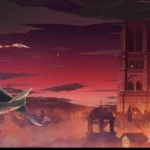
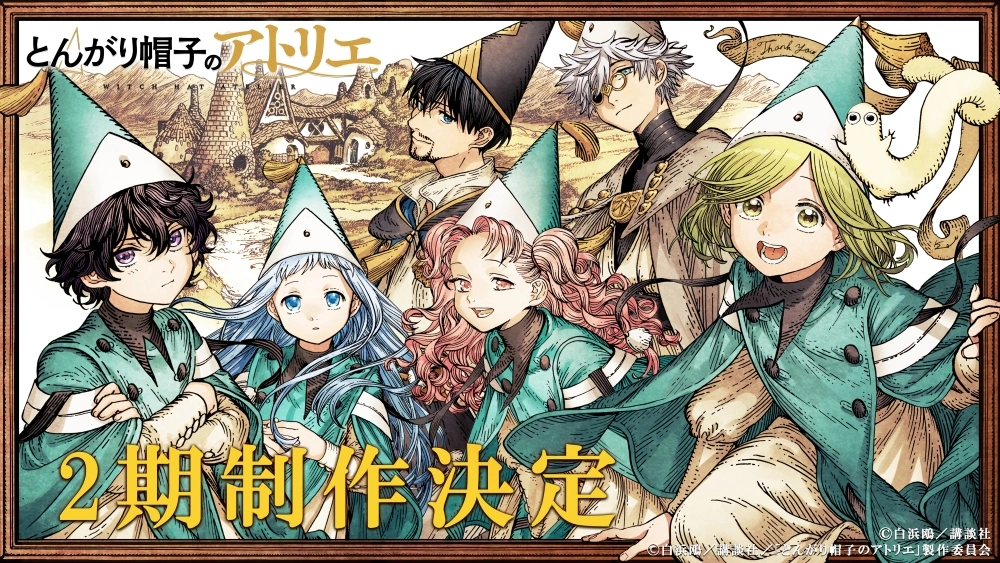
The beautiful, hand-drawn fantasy world of Kamome Shirahama’s masterpiece is officially continuing its television journey. Immediately following the broadcast of the thirteenth episode, the production committee formally announced that Witch Hat Atelier Season 2 is actively in production. For fans who have been closely tracking the painstaking development cycle of this breakout hit, the news brings a massive sigh of relief, especially given the steep visual hurdles the animation team had to clear just to get the first season across the finish line.
The adaptation has earned widespread praise across the industry for refusing to cut corners on its visual presentation. In an era where many fantasy series rely heavily on flat, computerized assets to rush episodes out the door, Studio BUG FILMS took the opposite path.
They deliberately delayed the initial launch to ensure the final product matched the hyper-detailed, organic line art of the original manga. With Crunchyroll already locked in to stream the upcoming episodes globally, the focus now shifts entirely to how the studio plans to maintain this elite level of craftsmanship as the narrative enters much darker, more action-heavy story territory.
Production Milestones and Graphic Complexity
To understand why a second season confirmation is such a monumental achievement for a younger studio like BUG FILMS, you have to look closely at the sheer volume of physical illustration required to make this world move. The series director, Ayumu Watanabe, openly admitted during production interviews that adapting this specific manga was a notoriously reckless undertaking because of the complexity of the original artwork.
The scale of the labor involved behind the scenes is incredibly stark. According to production logs shared by the core creative team, a single major action sequence, specifically the intense dragon conflict in Episode 5, required over 20,000 individual drawings to complete.
To put that number into perspective, a standard half-hour broadcast episode typically uses a fraction of that amount. This relentless commitment to visual fluidness is exactly why the series has captured the attention of mainstream animation enthusiasts, but it also explains why the production timeline for the upcoming episodes will require a significant amount of patience from the community.
Narrative Expansion and the Next Arc Parameters
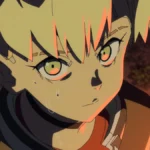
The initial 13-episode run did an incredible job laying down the foundations of the world, introducing audiences to Coco’s sudden transition from a regular dressmaker’s daughter into a struggling witch apprentice under Qifrey’s guidance. By pacing the adaptation carefully, the writers covered roughly the first 23 chapters of the source material, ensuring that every piece of lore and character development had room to breathe.
However, the season finale left viewers dangling over a massive narrative cliffhanger right in the middle of Agott and Richeh’s critical magical evaluation. Season 2 is set to dive straight into the fallout of this test, pushing the young apprentices out of the safety of the isolated atelier and into direct conflict with the wider political factions of the magical world.
As the mysterious Brimmed Cap coven continues to pull strings from the shadows, Coco will be forced to confront the dangerous realities of forbidden magic, testing her idealistic view of wizardry against a much harsher, highly regulated society.
Balancing Craftsmanship Against Industry Pressures
To see how the production strategy behind Witch Hat Atelier compares to standard modern anime release structures, the matrix below breaks down the technical challenges, resource management choices, and operational risks facing the studio:
| Animation Project Layer | Standard Modern Production Model | The BUG FILMS Adaptation Strategy | Long-Term Project Sustainability |
| Average Frame Densities | 3,000 – 5,000 Frames Per Episode | 15,000 – 20,000+ Premium Frames | High Studio Strain |
| Background Art Rendering | Automated Digital Layout Filters | Custom Hand-Painted Textures | Elevated Time Overhead |
| Source Material Pacing | Rapid 3-4 Chapters Per Segment | Deliberate 1.5 Chapters Per Block | Preserved Story Integrity |
| Asset Pipeline Storage | Reusable 3D CGI Environmental Models | Custom Unique 2D Vector Layouts | Complete Asset Overhead |
| Timeline Flexibility | Strict Unyielding Broadcast Deadlines | Strategic Delays for Quality Polish | Controlled Cost Variance |
| Global Distribution Plan | Scattered Regional Licensing | Unified Simultaneous Global Stream | Maximum Market Impact |
The data highlights why this renewal is drawing so much scrutiny from production analysts. By prioritizing artistic integrity over rapid, cheap output, BUG FILMS is executing an incredibly ambitious long-term play. While this approach keeps the franchise’s prestigious reputation completely intact, it demands a highly stable infrastructure to prevent the team from burning out under the weight of thousands of intricate line-art frames.
Architectural World-Building and Visual Continuity
Outside of pure character movement, the true heart of this series rests on its spectacular, immersive background design. The world doesn’t feel like a generic, copy-pasted medieval backdrop; it feels like a living, breathing ecosystem where magic actively shapes the local architecture, clothing, and daily tools.
When a series relies so heavily on custom background art, keeping the visual style consistent across multiple production cycles becomes a massive logistical challenge, especially when handling independent contract animators.
To combat this fragmentation, the production committee is utilizing a centralized digital style guide that meticulously maps out the texture, weight, and ink behavior of every location in the story.
Whether an episode takes place in the crowded stationery shops of Kalhn or the quiet, sun-drenched halls of the Great Hall of Witches, the rendering teams must strictly adhere to specific cross-hatching and shading techniques. This disciplined formatting ensures that even as the production scales up to handle heavier action set-pieces in the second season, the distinct,storybook aesthetic that defines the franchise remains completely flawless from front to back.
How do you feel about the decision to prioritize extreme animation density over a faster release schedule for Witch Hat Atelier? Are you willing to wait an extra year or two for Season 2 if it means keeping the unbelievable, hand-drawn quality of the first thirteen episodes? Let us know your thoughts on the studio’s ambitious approach in the comment section below.
For complete animation breakdown reports, deep dives into the software pipelines used by modern production houses, and real-time news updates across the entertainment landscape, check out our comprehensive multimedia industry coverage over at forantech.com.
External News Sources:
- For the complete official announcement text, updated staff listings, and the newly unveiled production endcard graphics, visit the verified database at the Anime News Network Press Bureau.
- For independent studio reactions, director commentary translations, and community discussion tracking regarding the 20,000-frame milestone, check out the coverage on the Anime Corner News Desk.