Galaxy M47 Ditches AI Gimmicks for Massive Battery Life
An operational breakdown tracking the real-world performance metrics, component architecture, and battery density configurations of Samsung’s newly launched mid-ranger.

For the past couple of years, the smartphone market has felt like it is suffering from a bit of an identity crisis. Manufacturers have spent so much energy screaming about cloud artificial intelligence features and pixel-peeping camera specs that the basic, day-to-day fundamentals of what makes a phone actually good to live with have fallen by the wayside. We have all seen the pattern: a flashy device launches with massive hype, only for users to realize two months later that the battery barely survives an intense workday or that the frame turns into a pocket-sized space heater during a casual gaming session.
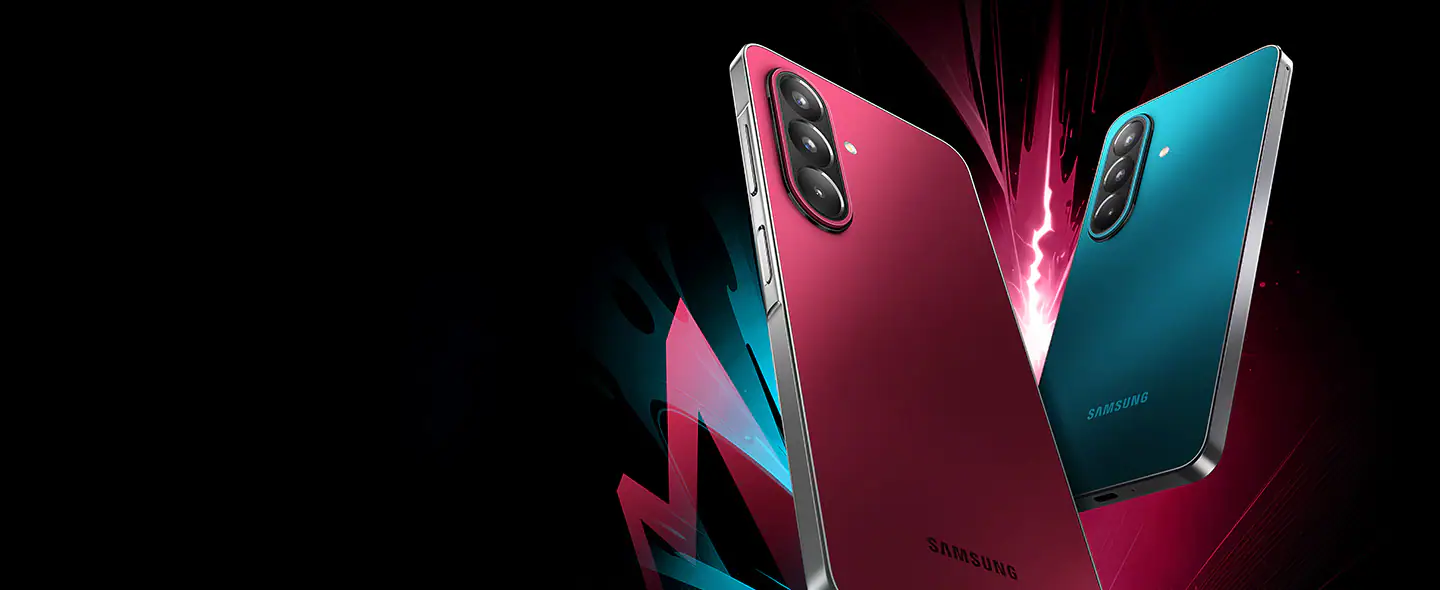
Breaking cover officially on June 29, 2026, the new Samsung Galaxy M47 represents a direct, refreshing shift away from that empty flashiness. Rather than trying to pretend it is a thousand-dollar luxury powerhouse, Samsung’s latest mid-range release plays a much smarter game.
It strips away the unnecessary premium gimmicks and double-downs heavily on pure, unadulterated endurance and balanced, everyday utility. By combining a highly efficient processor with a massive battery cell, Samsung is making a clear play for users who value consistent reliability over speculative software gimmicks.
Processing Architecture and the Efficiency Matrix
The core performance of the M47 is built around Qualcomm’s stable Snapdragon 6 Gen 3 processor architecture. Instead of chasing raw benchmarks that only look impressive on a tech review chart, this system-on-chip setup is explicitly tuned to stretch every single drop of electrical current as far as humanly possible.
To deliver a completely lag-free user experience without melting through your power reserves, the underlying hardware handles processing demands through a smart, multi-layered layout:
- Sustained System Fluency: The processor dedicates its high-performance cores strictly to heavy activities like loading complex apps or rendering video clips, ensuring the phone stays perfectly snappy when you actually need the power.
- Intelligent Standby Optimization: For everyday tasks like scrolling through social feeds or replying to messages, the phone quietly drops down to its efficiency cores, reducing active power draw to an absolute whisper.
- Minimal Thermal Throttling: Thanks to a spacious internal layout, the silicon can run at its peak clock speeds for hours without building up the kind of intense heat that causes games to drop frames or stall out.
Defeating Battery Anxiety with a 6,000mAh Silicon Tank
The absolute crown jewel of the Galaxy M47 build is its massive 6,000mAh battery reservoir. If you look closely at the modern smartphone landscape, keeping a phone running for more than a day has become an exhausting chore of tweaking background app settings and hunting down charging bricks.
Samsung’s approach here is simple: bypass the software band-aids entirely by putting a massive, high-density physical cell right inside the frame.
This massive capacity is built using updated structural chemistry layouts that allow the battery to pack way more energy into a surprisingly slim footprint, preventing the phone from feeling like a heavy, blocky brick in your palm.
When you do finally manage to run it flat after two full days of regular use, the system hooks up to a reliable 45W fast-charging pipeline. The charging logic is intelligently split into two distinct steps: it pumps in power rapidly to get you from empty to 50% in roughly half an hour, then smoothly tapers off the voltage as it approaches full capacity to protect the long-term chemical health of the cell for years to come.
Tracking the Mid-Range Ecosystem Matrix
To see exactly where the Galaxy M47 fits into the highly competitive modern mid-range landscape, the comparison matrix below outlines how its practical hardware choices match up against its closest market rivals:
| Hardware Architecture Layer | Samsung Galaxy M47 Standard | Local Competitor A (Budget Focus) | Premium Tier Baseline Reference |
| Silicon Processing Engine | Snapdragon 6 Gen 3 (4nm) | Entry-Level MediaTek Dimensity | Top-Tier Snapdragon 8 Series |
| Total Battery Reservoir | 6,000mAh High-Density | 5,000mAh Standard Cell | 4,800mAh High-Drain Layout |
| Real-World Lifespan | 2 Full Days of Mixed Use | Single-Day Standard Buffer | Tight 14-Hour Heavy Cycle |
| Display Panel Fluidity | 120Hz Smooth AMOLED | Basic 90Hz Refresh LCD | 144Hz Variable Refresh LTPO |
| Thermal Profile Status | Passive Internal Dissipation | High-Heat Copper Pipe Layout | Dual Vapor-Chamber Cooling |
| Long-Term Update Path | 4 Years of System Patches | 2 Years of Security Updates | 5-7 Years of Flagship Support |
The comparison points out a massive structural reality: while flagship phones continue to get more expensive just to push numbers that human eyes can barely even notice, the mid-range tier has quietly become the sweetest spot in consumer tech. The M47 balances premium screen tech with a massive battery buffer, offering an incredible everyday experience without forcing you to pay a luxury tax.
Intelligent Display Logic: Balancing Smoothness and Power
Outside of the battery compartment, the component that usually eats up the most power on a modern phone is the screen. To keep the interface feeling incredibly fluid without instantly draining the battery tank, Samsung has equipped the M47 with a highly optimized, high-refresh-rate AMOLED panel.
Older high-refresh displays were incredibly stubborn. They would force the screen to run at full blast regardless of what you were actually looking at, wasting massive amounts of battery power while displaying completely static text or a motionless photo.
The M47 navigates this hurdle using updated dynamic display logic built straight into the display driver. The moment your finger touches the glass to scroll through a long article or zip through a menu, the panel instantly ramps up to a crisp, beautifully fluid refresh rate.
But the second you stop scrolling to read a block of text or look at an image, the system detects the lack of motion and immediately drops the refresh rate down to a lower tier. This silent, background adjustment happens in the blink of an eye, giving you all the benefits of a modern premium screen while keeping the phone’s overall power draw incredibly lean.
How do you feel about Samsung’s decision to prioritize massive battery life over experimental AI software features with the new M47? Would you prefer a phone that easily lasts two full days on a single charge, or do you find yourself wanting more raw gaming performance out of a mid-range budget? Let us know what you think in the comment section below.
For complete smartphone teardowns, component-by-component hardware comparisons, and live pricing tracking across local retail regions, check out our deep-dive smartphone registry archives over at forantech.com.
External News Sources:
- For the full official spec sheet breakdown, retail launch bundle details, and regional warranty pricing declarations, review the data hosted over on the GSMArena Official Device Database.
- For independent retail market analysis and expert editorial hands-on reviews of the new Snapdragon 6 Gen 3 platform, explore the documentation over at Gadgets 360 Mobile News.