Samsung Galaxy A27 5G: The New Budget Friendly Android
Samsung officially reveals the mid-range Galaxy A27 5G, featuring an un-throttled Snapdragon 6 Gen 3 and six-generation OS update support.

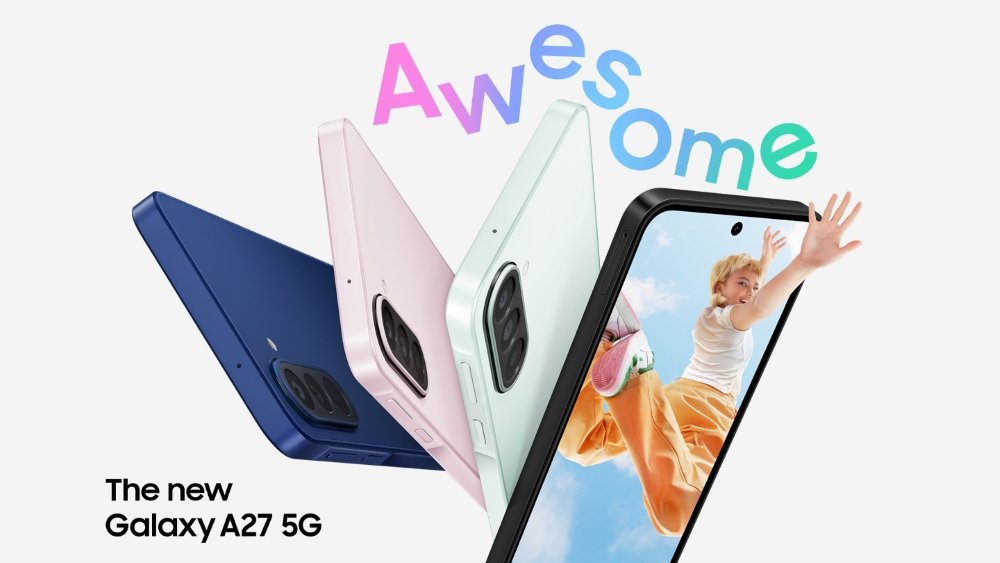
The mid-tier smartphone segment has historically accepted a major operational trade-off: affordable hardware pricing in exchange for premature software abandonment. Samsung Electronics officially shattered this unwritten lifecycle standard yesterday, June 25, 2026, by announcing the new Samsung Galaxy A27 5G.
Built to replace the popular Galaxy A26, this 4-nanometer mid-ranger introduces a flagship-grade software lifecycle policy to an accessible price tier. The hardware line guarantees up to six generations of Android OS and One UI upgrades alongside six full years of security patch integration.
Technical Specifications: Samsung Galaxy A27 5G Hardware Matrix
To fully map out how this un-throttled mid-range infrastructure scales its processing and battery capabilities over a half-decade deployment window, inspect the verified engineering parameters released directly by the manufacturer:
| System Layer | Confirmed Infrastructure Selection | Real-World Operational Status |
| Primary Project Target | Samsung Galaxy A27 5G Smartphone Platform | Launching July 3 across global retail networks |
| Processing Silicon | Qualcomm Snapdragon 6 Gen 3 (4nm Architecture) | Octa-Core layout clocked at 2.4GHz / 1.8GHz |
| Display Panel | 6.7-inch Super AMOLED Infinity-O Display Layer | Features dynamic 120Hz refresh rate matrix |
| Software Baseline | Android 16 Ecosystem / One UI 8.5 Interface | Guarantees continuous support extending through 2032 |
| Memory Configurations | 6GB + 128GB / 8GB + 128GB / 8GB + 256GB Configurations | Expandable via integrated MicroSD up to 2 TB bounds |
| Security Subsystem | Knox Vault Dedicated Hardware Security Module | Isolated chip-level physical cryptographic defense |
| Chassis & Protection | 7.8mm Slim Profile with IP64 Ingress Rating | Certified dust-proof and splash-resistant shielding |
1. The Snapdragon 6 Gen 3 Shift: 4nm Processing Efficiencies
A major performance hurdle for budget-conscious buyers has been the rapid degradation of processing speed as modern apps grow heavier. Samsung targets this bottleneck directly by abandoning lower-tier silicon in favor of the custom Qualcomm Snapdragon 6 Gen 3 system-on-a-chip.
By manufacturing this processor on an advanced 4-nanometer node, the phone maintains high energy efficiency while running high-concurrency background threads. The layout divides tasks between four performance cores hitting 2.4GHz and four high-efficiency cores resting at 1.8GHz.
This processing division keeps day-to-day UI animations fluid at a full 120Hz refresh rate on the 6.7-inch Super AMOLED panel, avoiding the jarring frame-rate drops that frequently plague mid-range handsets during intense multi-tasking routines.
2. Awesome Intelligence: Multi-Object Circle to Search Protocols
The implementation of “Awesome Intelligence” on the Galaxy A27 5G extends beyond basic dictionary queries or localized text proofreading scripts. The software stack integrates advanced multi-object tracking layers straight into the system-level interface framework.
- Multi-Object Search Isolation: Users can trigger a screen-wide scan that parses multiple independent objects inside a single photographic image at once, generating distinct search profiles for separate clothing components or tech accessories.
- Localized Translation Buffers: The integrated Voice Recorder app deploys automated voice transcription models capable of processing, transcribing, and live-translating 22 spoken languages simultaneously during local system operation.
- AI Assistant Interoperability: Moving beyond single-assistant monopolies, the platform lets users configure their default voice wake-up triggers to target Google Gemini, Perplexity, or Bixby natively based on personal database preferences.
The Mid-Range Lifespan Law: A smartphone platform’s real-world survival length is no longer determined by physical battery health alone. If the underlying processing architecture lacks the security-hardened isolation units required to run updated, high-density artificial intelligence models safely at the edge, the hardware will face functional obsolescence long before its physical components wear out.
3. Knox Vault and the 6-Year Enterprise Security Pipeline
To sustain software functionality through the year 2032, the physical motherboard must be engineered to withstand modern network attacks. The Galaxy A27 5G answers this requirement by integrating a dedicated Samsung Knox Vault micro-chip.
This isolated hardware security module operates completely separate from the primary Snapdragon processor and system memory lines. It shields critical user data—including system passwords, facial recognition biometric templates, and private encryption keys—against deep hardware-level hacking attempts.
By building this hardware firewall directly into the circuitry, Samsung ensures the device can securely host future iterations of Android without exposing the core software kernel to malicious exploits over its extended six-year support window.
The Verdict: Setting a Tough Standard for Competitive Mid-Rangers
The introduction of the Galaxy A27 5G challenges competing smartphone manufacturers to rethink their budget production pipelines. While the phone maintains traditional mid-range charging speeds and relies on a plastic frame construction to keep manufacturing costs down, its high-end software longevity and robust security suite make it an incredibly sensible investment for consumers looking to maximize hardware lifecycle value.
Pros
- Unrivaled Software Lifespan: The 6-year OS upgrade guarantee sets a phenomenal new durability standard for affordable smartphones.
- Flagship Security Integration: The dedicated Knox Vault chip provides ironclad protection for sensitive biometric data.
- Excellent Visual Pipeline: The 6.7-inch Super AMOLED display delivers exceptionally vibrant, smooth 120Hz animations.
Cons
- Slow Charging Architecture: Power input remains capped at a modest 25W, requiring significantly longer top-off times than competitive fast-charging configurations.
- Basic Ingress Rating: The IP64 certification guarantees complete dust sealing but only shields against basic water splashes rather than full submersion.
What do you think?
Do you believe a six-year software update guarantee is enough to make you choose a mid-range phone over an older refurbished flagship, or do you feel that hardware limitations like 25W charging will make the phone feel too dated long before 2032 rolls around? Let us know your thoughts in the comments below!
For a closer look at how customized database structures, localized theme configurations, and automated backend routing scripts are deployed to support high-traffic media websites, check out the development documentation on the ForanTech Tech Portal. This analysis resource tracks all responsive interface setups and modern optimization techniques transforming the digital space.
To review the comprehensive hardware declarations, official engineering whitepapers, and global availability timelines released live by the design teams, read through the verified data on the official Samsung Global Newsroom Portal. This industrial technical archive contains every specific variable change shaping the next generation of mobile computing.