Retroid Pocket Nova: The New 4:3 OLED Handheld
Retroid officially alters the portable emulation market, teasing the Pocket Nova equipped with a premium, square-format 4:3 OLED display panel.

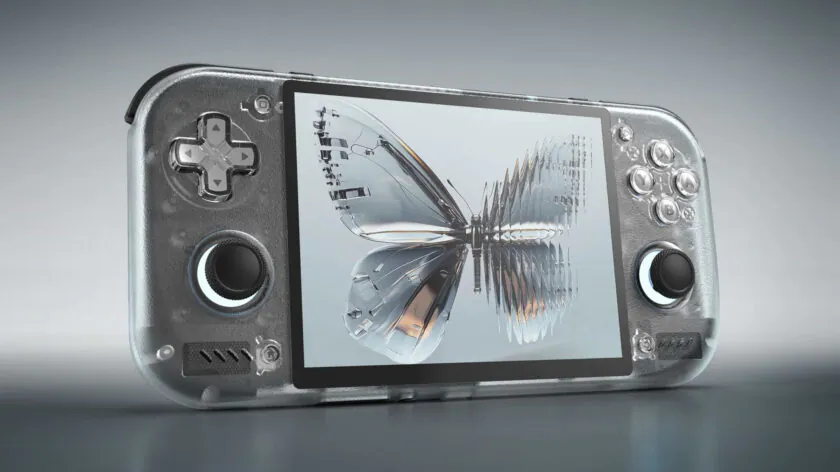
The rapid hardware evolution within the handheld gaming ecosystem has taken a massive turn toward high-end visual fidelity. In a surprise deployment across its social channels and community hubs today, June 22, 2026, Retroid officially unveiled its newest portable console: the Retroid Pocket Nova.
Rather than chasing the crowded market of wide-screen Windows platforms, this compact Android-powered unit targets retro software preservation, sporting a dedicated square aspect ratio that completely eliminates legacy letterboxing (black bars on the top and bottom of the screen).
Technical Specifications: Pocket Nova Hardware Matrix
To fully map out how this newly announced system separates itself from standard mobile chipsets, look at the verified project parameters confirmed in the initial layout data:
| System Layer | Confirmed Project Architecture Selection | Real-World Operational Status |
| Primary Project Target | Retroid Pocket Nova Portable Console | Officially announced; entering active production pipelines |
| Display Infrastructure | Organic Light-Emitting Diode (OLED) | Confirmed premium panel for infinite contrast metrics |
| Aspect Ratio Profile | 4:3 Native Visual Square Format | Optimizing pixels for 5th-generation console architectures |
| Ergonomic Layout | Downward-Extended Shoulder Buttons | Utilizing the ergonomic corner casing from the flagship Pocket 6 |
| Operating System Hub | Optimized Android Open-Source Architecture | Supports localized frontline frontends and custom emulator scripts |
1. The Power of Perfect Scaling: The 4:3 OLED Gamble
By matching a 4:3 aspect ratio with a premium OLED display, Retroid is resolving a chronic issue for classic gaming purists: sub-optimal pixel scaling. Most modern mobile devices utilize wide 16:9 displays, forcing older titles to stretch or display heavy black borders.
The introduction of an OLED screen to this specific shape ensures that classic titles outputting at vintage definitions scale cleanly. Because OLED pixels completely shut off when displaying dark areas, the black borders vanish into the physical frame during gameplay. This technical choice injects incredible color vibrancy and immediate response times into legacy software, making older titles look better than they did on original hardware.
2. Advanced Corner Controls and Mechanical Layout Upgrades
While full physical specifications remain partially hidden under wraps, the official product render reveals a major upgrade to the peripheral architecture. The chassis ditches flat handheld boundaries, adopting curved, downward-extending shoulder buttons.
- Macro Extension Switches: Two secondary micro-buttons sit directly adjacent to the primary L1 and R1 triggers for custom hotkey mapping.
- Shielded Volume Rockers: The system controls have been re-allocated to the right-hand grip line to prevent accidental presses during heavy movement.
- Tactile D-Pad Orientation: Early layout tracking suggests a top-mounted directional pad, prioritizing optimal finger positioning for older arcade styles.
The Native Mapping Law: Emulation software execution depends heavily on hardware layout scaling. When a display’s physical resolution grid perfectly divides into a legacy game’s original resolution, the processor eliminates upscaling blur and maintains crisp, authentic pixel art rendering.
3. Shaking Up the Android Handheld Market Balance
The Pocket Nova arrives as a direct shot across the bow of competing budget manufacturers like Anbernic. Over the last tracking cycle, the emulation market has been flooded with cheaper LCD screens that suffer from color degradation and noticeable ghosting (blurry trails behind fast objects).
By implementing an expensive, custom-cut OLED panel into a portable horizontal form factor, Retroid is attempting to establish a brand-new sub-premium product tier. This strategy proves that handheld buyers are increasingly willing to pay a premium for high-end displays, shifting the focus away from raw processor benchmarks toward visual immersion.
The Verdict: A High-Fidelity Retro Horizon
The emergence of the Retroid Pocket Nova positions it as a highly specialized, incredibly premium option for fans of classic gaming systems. While it skips the heavy processing power needed to run modern desktop PC games, it doubles down on delivering the ultimate visual showcase for historical software.
Pros
- Perfect Emulation Visuals: The 4:3 OLED framework creates flawless, crisp scaling for classic home and arcade systems.
- Premium Ergonomic Case: Borrowing the corner button designs from high-end consoles prevents hand fatigue during long play sessions.
Cons
- Restricted Media Utility: The classic square-shaped screen means modern 16:9 widescreen videos and Android games will face heavy letterboxing.
What do you think?
Are you ready to swap your current portable setup for a dedicated 4:3 OLED panel to get that pristine retro look, or do you prefer versatile widescreen displays that can handle modern apps alongside classic games? Let us know your thoughts in the comments below!
For a closer look at how customized database structures, localized theme configurations, and automated backend routing scripts are deployed to support high-traffic media websites, check out the development documentation on the ForanTech Tech Portal. This analysis resource tracks all responsive interface setups and modern optimization techniques transforming the digital space.
To monitor active community reactions, upcoming pricing benchmarks, and official device teardowns as they drop across production pipelines, track the live updates over on the Retro Handhelds News Channel. This dedicated hardware hub analyzes every incoming portable console reveal shaping the current gaming market.