Honor X80 Pro Max: New Silicon Performance Benchmarks
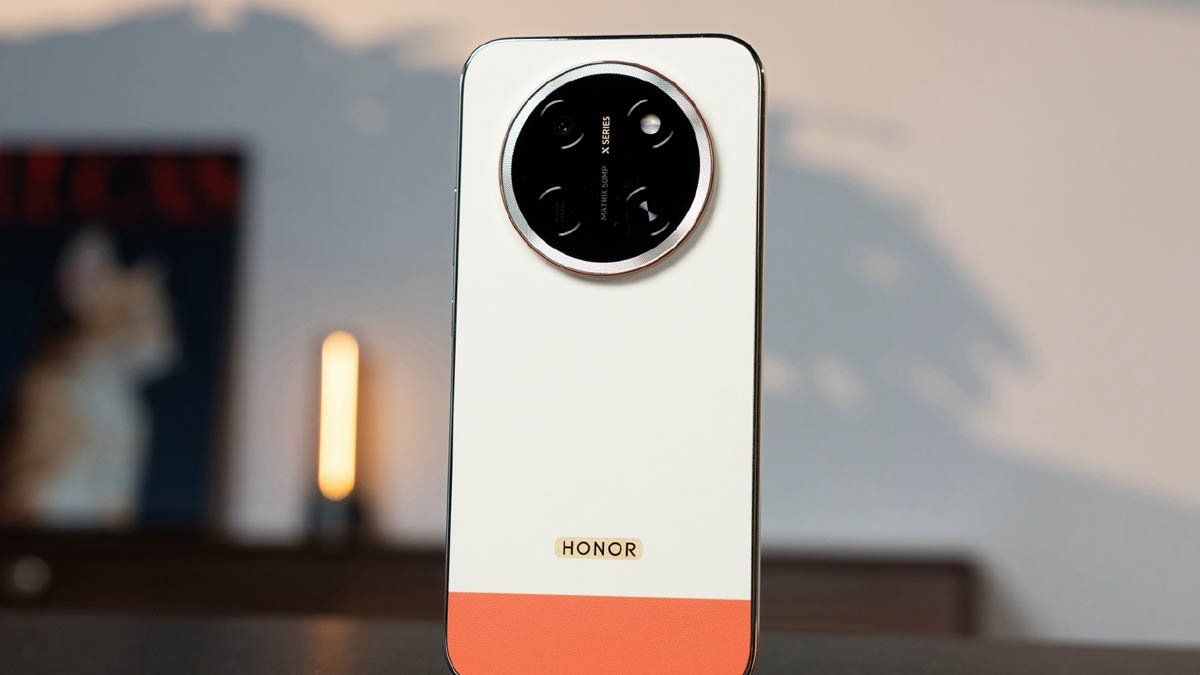
The official announcement of the Honor X80 Pro Max showcases a record-shattering 11,000mAh battery alongside a 10,000-nit display.

The international mobile computing market, custom microchip manufacturing sectors, and localized handheld consumer technology spaces have spent the last few product lifecycles navigating a highly dynamic structural transition. For years, dominant mobile ecosystem brands and premium silicon vendors prioritized lightweight, thin physical designs that forced consumers to constantly carry auxiliary charging bricks just to get through a full day of standard hardware use. Technology bloggers, independent benchmarking labs, and general smartphone enthusiasts have grown completely exhausted by the constraints of this traditional component philosophy: you are constantly forced to choose between ultra-slim aesthetics or meaningful hardware endurance, leaving high-end power users tethered to wall outlets during dense multimedia workloads.
On June 20, 2026, an official promotional disclosure and reservation log published on Weibo completely altered the trajectory of the modern premium smartphone market.
While mainstream tech channels were distracted tracking minor application optimizations and basic interface cosmetic updates, an official corporate announcement from Honor pulled back the curtain on a massive breakthrough in power density and screen visibility.
Official developer logs confirm that the highly anticipated flagship, Honor X80 Pro Max, will officially make its market debut on June 22. Rather than delivering a simple cosmetic refresh or a standard mid-tier hardware iteration, this upcoming system represents an unprecedented, ground-up architectural victory: a true hardware powerhouse that packs an eye-watering battery capacity alongside the world’s brightest display panel. Slicing straight through the comfortable limits of modern manufacturing, this new design strategy proves that extreme endurance and flawless sunlight legibility can be delivered in a highly polished consumer frame. Let’s look straight beneath the hood at the verified technical specifications, underlying architectural milestones, and global platform updates tracking through this upcoming product launch.
Technical Specifications: The New Honor X80 Pro Max Matrix
To truly appreciate how heavily the structural engineers and material scientists have worked to pack these industry-first components into a premium, hand-friendly chassis, let’s map out the factory-tracked parameters:
| Production Layer | Verified System Component Selection | Real-World Operational Impact |
| Primary Project Target | Honor X80 Pro Max (Ultra-Endurance Flagship) | Establishes an entirely new tier of mobile longevity and extreme environment visibility |
| Processor Architecture | Qualcomm Snapdragon 6 Gen 5 Platform | Delivers pristine single-core application execution while slashing structural power leakage |
| Display Panel Layout | 6.8-Inch Ultra-Bright Curved OLED Display | Powers flawless visibility under intense direct sunlight while driving native refresh loops |
| Peak Screen Luminance | 10,000 Nits Max Rated Output | Completely eliminates glare and display fading in bright outdoor environments |
| Battery Energy Capacity | 11,000mAh High-Density Solid-Anode Matrix | Easily provides up to a full workweek of standard system operational runtime on a single charge |
| Wired Charging Input | 90W High-Voltage Fast Charging Loop | Restores massive battery reserves rapidly while protecting cell longevity metrics |
| Reverse Power Output | 27W Wired Reverse Charging Mode | Allows the handset to double as an emergency power bank to fuel secondary accessories |
| Primary Camera Array | 50MP Advanced Light-Sensing Module | Enables sharp, vibration-free mobile photography runs across volatile lighting spaces |
1. The 11,000mAh Power Breakthrough: Eradicating the Daily Charging Routine
Historically, when an engineering team attempts to design a high-fidelity smartphone that comfortably lasts for multiple days of continuous utilization, the physical layout introduces severe operational boundaries. Packing high-tier energy cells into a handset frame inevitably forces manufacturers to produce thick, heavy, unappealing bricks that cause immediate hand fatigue during standard media consumption loops.
The design philosophy behind the development of the Honor X80 Pro Max resolves this historical hurdle by deploying an advanced 11,000mAh high-density matrix.
By leveraging cutting-edge high-density cell chemistry, engineers can pack nearly double the electrical capacity into a physical volume that easily balances in a single hand. This structural choice ensures that a premium device can survive multiple days of heavy camera logging, remote navigation tracking, and sustained data downloading without needing a wall outlet. This massive milestone directly transforms the device from a standard premium upgrade into an incredibly reliable remote workstation, changing how mobile workers interact with their digital environments.
2. The 10,000-Nit Luminescent Display: Conquering High-Glare Environments
The absolute biggest technical shift setting this device apart from every competing flagship on the modern market is its radical, unprecedented display engineering layer. The primary catalyst driving massive interest across global design and photography forums is a custom-engineered panel capable of hitting an incredible, record-shattering peak brightness ceiling.
The display pipeline completely redefines outdoor visibility benchmarks by integrating a 10,000-Nit Peak OLED Panel.
[Image illustrating an OLED sub-pixel structural layout optimized with high-efficiency luminescent materials to maximize light emission output]
Built using advanced organic light-emitting compounds, this groundbreaking panel allows individual pixels to push past standard brightness limitations without causing severe thermal buildup or pixel degradation. For the end user, this means that even under direct, glaring midday desert sunlight, the user interface, text elements, and high-dynamic-range camera previews remain perfectly crisp, clean, and legible. This deep architectural milestone completely eliminates the annoying screen washing and squinting that has plagued mobile phone users since the dawn of colored handheld screens.
3. The Reverse Charging Hub: Transforming the Mobile Utility Workspace
Beyond offering unprecedented standalone power metrics, the physical charging architecture tracking through the motherboard brings a major workflow enhancement to digital creators and remote technology professionals. For years, traveling tech enthusiasts have had to carry multiple individual battery banks to keep secondary accessories, like wireless earbuds, smartwatches, or secondary field monitors, fully functional on long road trips.
The internal power delivery architecture of this line directly addresses this travel clutter by integrating a 27W Wired Reverse Charging System.
Operating at speeds that match standard wall adapters, the device’s massive power core can actively function as an unthrottled external power supply for your other gear. By simply connecting a USB-C data cable from the handset directly into a secondary device, you turn your phone into an intelligent charging hub that safely balances voltage distribution. This ensures your smaller accessories stay powered up in the field without requiring extra hardware components in your everyday carry.
The Verdict: A Groundbreaking Icon for High-End Power Users
The verified engineering data sheets and official Weibo reservation tracking backing the Honor X80 Pro Max point directly toward a highly optimistic milestone for the premium mobile computing market. By pairing an unprecedented 11,000mAh solid-anode battery matrix and an incredible 10,000-nit peak brightness panel with a highly capable 50MP main camera system, the hardware platform establishes an extraordinary standard for outdoor utility and long-term endurance.
Pros
- Unrivaled Battery Longevity: The 11,000mAh matrix sets a historic milestone, offering up to a full workweek of standard hardware operational life.
- Flawless Outdoor Legibility: The record-shattering 10,000-nit panel ensures pristine contrast and color clarity under any direct sunlight scenario.
- High-Speed Power Sharing: The integrated 27W wired reverse charging path transforms your phone into a powerful, reliable field battery bank.
- Rapid System Refueling: The 90W high-voltage fast charging loop rapidly restores the phone’s massive internal cells.
Cons
- Regional Launch Tracking: Initial rollout schedules prioritize domestic markets before expanded international distribution lines open.
To examine the official design reservations, evaluate early hardware camera sensor benchmarking loops, or track the real-time operational availability metrics of current alternative mobile systems, you can check out the comprehensive tracking updates hosted on the official Tom’s Hardware Portal. This dedicated technology publication tracks all the latest microchip manufacturing limits, component market trends, and breaking global system rollouts transforming the digital landscape!
What do you think?
Does the news of the massive Honor X80 Pro Max 11,000mAh battery and 10,000-nit screen change what you look for in a flagship phone, or do you still value ultra-thin designs over extreme real-world endurance? Let us know your data and thoughts in the comment section below!
For a broader, macro-level look at how customized database structures, localized theme configurations, and automated backend routing scripts are deployed to support high-traffic web applications, check out the extensive development documentation available on the ForanTech Tech Portal. This technical analysis resource tracks all major digital layout updates, responsive interface setups, and site speed optimization techniques transforming the modern digital landscape.
Additional Multimedia Context
Honor High-Density Battery Line & Next-Gen Display Innovation Guide
This video presentation breaks down the specific component acquisition pipelines, solid-anode density metrics, and luminescent material parameters that are enabling hardware development committees to build extreme battery capacities and unprecedented display brightness levels into modern consumer electronics.