Black Clover Season 5 to Return After 5 Years
Studio Pierrot officially confirms Black Clover Season 5 for an October 2026 premiere under returning animation director Ayataka Tanemura.

The modern Japanese animation ecosystem and international streaming markets have spent the last few product cycles navigating a massive structural transition regarding long-running battle shonen properties. For decades, production committees, broadcast networks, and major animation labs prioritized endless, uninterrupted weekly release templates that forced creative teams to work under non-stop production pressure. Technology bloggers, media analysts, and general anime enthusiasts have grown entirely exhausted by the consequences of this traditional broadcast strategy: you are constantly forced to endure severe visual inconsistency, dragged-out story pacing, and massive filler arcs designed solely to keep the television broadcast from overtaking the original print materials.
On June 14, 2026, an official production announcement from Studio Pierrot and the official franchise committee completely altered the trajectory of this beloved magical fantasy property.
While general entertainment media was tracking basic seasonal streaming licenses, the production committee pulled back the curtain on a massive, structural relaunch of their flagship property.
Official production logs confirm that Black Clover Season 5 will officially begin its regular television broadcast in October 2026. Rather than continuing the old continuous episode counting system from the original 170-episode block that paused back in March 2021, this project is being treated as a completely fresh production epoch. Slicing through the historical boundaries of long-running weekly shonen, this new deployment strategy leverages extended pre-production buffers to bring premier cinematic visual standards to the series’ final, explosive story segments. Let’s look straight beneath the hood at the verified animation staff configurations, manga adaptation timelines, and internal studio modifications driving this major anime return.
Technical Specifications: The Animation Production Matrix
To truly appreciate how heavily Studio Pierrot and Shueisha have re-engineered their creative leadership team, production schedules, and digital compositing pipelines to deliver this high-performance return, let’s map out the verified parameters tracking through the production:
| Production Layer | Verified Creative Component Selection | Real-World Operational Impact |
| Primary Project Target | Black Clover Season 5 (Official Sequel Series) | Establishes a highly anticipated, modern seasonal adaptation of the final manga story segments |
| Animation Production Lab | Studio Pierrot Co., Ltd. Main Headquarters | Shifts focus toward high-end, dedicated seasonal projects like Bleach: TYBW |
| Creative Director Seat | Ayataka Tanemura (Series Veteran) | Guarantees absolute visual continuity and elite mechanical combat direction |
| Series Script Composer | Keiichiro Ochi (Upstream Alignment Master) | Insures tight, data-driven narrative progression without reliance on filler assets |
| Lead Character Designer | Itsuko Takeda (Returning Lead Artist) | Maintains classic, clean model sheets while upgrading line-art weights for modern screens |
| Broadcast Release Date | October 2026 Regular Television Lineup | Delivers the long-awaited project exactly 5.5 years after the legacy series paused |
| Streaming Platform Rights | Crunchyroll International Simulcast Pipeline | Grants global audiences immediate access to high-definition localization streams |
1. Demystifying the Director Seat: The Return of Ayataka Tanemura
Historically, when an animation studio revives a major battle shonen franchise after a multi-year broadcast hiatus, the project frequently encounters severe creative direction hurdles. Replacing core creative leads or altering the established visual language of an anime often alienates core viewers, creates massive gaps in art direction, and disrupts the fluid combat choreography that fans spent years falling in love with during the original run.
The production layout driving the return of the series completely bypasses this creative friction by locking in director Ayataka Tanemura to lead the main production pipeline.
Tanemura is widely recognized within the animation ecosystem as the director who successfully saved the visual consistency of the original television series during its highly demanding final story blocks. Furthermore, his spectacular execution as the main director of the 2023 cinematic feature, Black Clover: Sword of the Wizard King, established a flawless blueprint for handling intricate, multi-character magical conflicts. His verified expertise in staging complex, fast-paced action sequences—characterized by dynamic 3D camera movements, clean hand-drawn line-art integration, and high-tier digital particle effects—ensures that the new season will deliver pristine visual fidelity from its very first episode.
2. The Seasonal Quality Architecture: Eradicating the Weekly Trap
Beyond securing elite creative leadership, this October 2026 release window highlights an extraordinary shift in Studio Pierrot’s internal production philosophy. For decades, major studios operated under the traditional “long-running weekly” broadcast architecture. This structure required animators to churn out 52 episodes a year without breaks, inevitably leading to collapsed production schedules, severe dips in background art quality, and rushed character drawings during mid-tier exposition episodes.
The structural blueprint for Black Clover Season 5 completely abolishes this old model by utilizing a Modern Seasonal Release Architecture.
By adopting this modern, high-buffer seasonal blueprint, Studio Pierrot can distribute its premier animation talent, financial resources, and digital compositing schedules far more effectively. Instead of rushing to meet relentless weekly television deadlines, the studio can dedicate extended pre-production windows to polish intricate asset designs. This structural evolution directly impacts how complex magical abilities—such as anti-magic sword trajectories, multi-layered spatial spell arrays, and high-speed elemental transformations—are rendered, promising a level of visual detail and fluid movement that matches the standards of modern cinematic features.
3. Adaptational Structural Advantage: The Complete Manga Blueprint
The absolute greatest advantage tracking through this upcoming television production is the structural status of the original print source material. When the original television adaptation paused its broadcasting cycle back in March 2021, the animation team was running dangerously close to the heels of the original manga creator, Yūki Tabata. This narrow buffer forced the writers to implement slow-moving episode pacing and extensive training fillers to prevent the show from overtaking the print publication.
The current landscape completely eliminates this adaptational hurdle, as the original manga officially published its final three-chapter conclusion in the Spring 2026 issue of Jump GIGA on May 1, 2026.
With the entire 11-year, 392-chapter manga storyline completely finished and preserved across collected volumes, the animation team possesses an unparalleled structural advantage. Scriptwriters can map out the exact progression of every individual story arc without needing to construct arbitrary filler episodes. This complete structural blueprint enables:
- Zero Content Dilution: Every single episode can adapt primary, canon manga chapters directly, maintaining maximum narrative urgency.
- Optimized Battle Extensions: Brief combat sequences that were condensed in the print edition due to page limits can be expanded by the animators into comprehensive, multi-minute battle sequences.
- Flawless Pacing Calibration: The production team can structure emotional beats, character twists, and structural climaxes perfectly, ensuring the dramatic tension builds smoothly toward the final battle.
4. Narrative Mapping: The Spade Kingdom War and Ultimate Arc Targets
For technology buyers, industry observers, and general animation consumers mapping out what story arcs will dominate the upcoming broadcast schedules, the narrative roadmap is incredibly high-stakes. The upcoming seasonal blocks are engineered to dive straight into the heart of the brutal war against the tyrannical rulers of the Spade Kingdom, picking up exactly where episode 170 left off.
The narrative roadmap will translate some of the most complex, massive magical scaling ever illustrated in modern shonen:
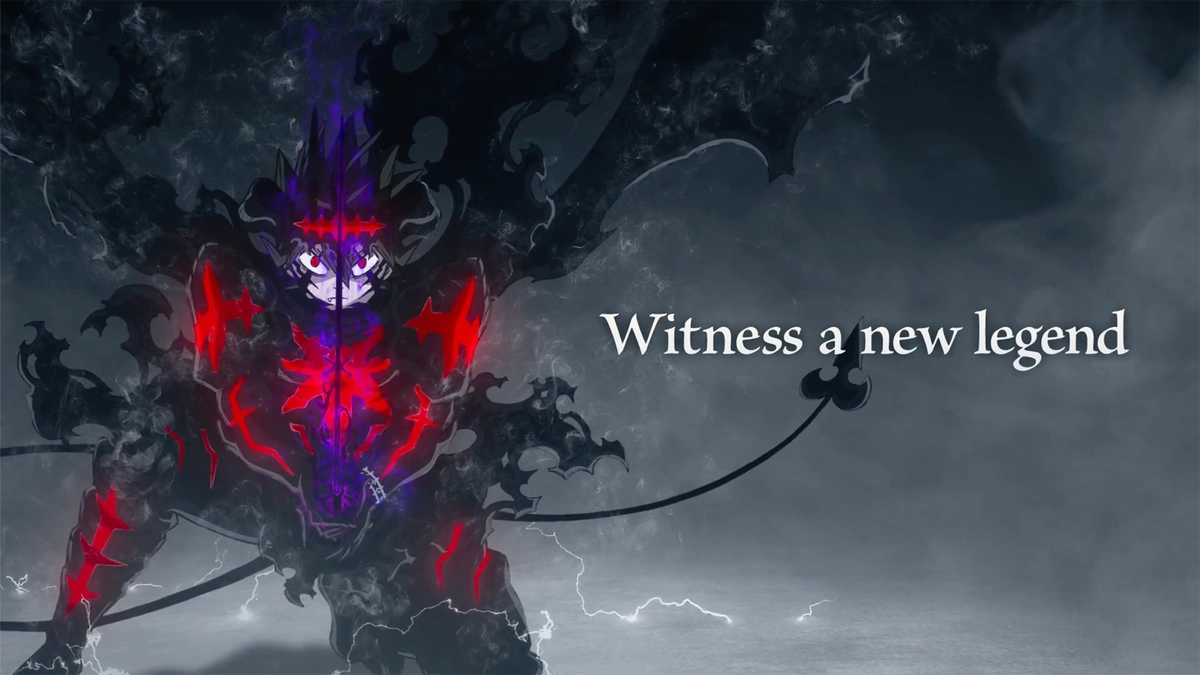
Global audiences will finally witness the animated debut of highly anticipated character upgrades, including Asta’s complete Devil Union transformation, Yuno’s advanced Star Magic arrays, and the terrifying, gravity-altering combat forms deployed by the supreme devil Lucifero. The sheer environmental destruction and reality-bending nature of these end-game magic battles demand the exact high-tier seasonal animation infrastructure that Studio Pierrot has built for this return.
The Verdict: A Masterfully Calculated Shonen Relaunch
The official data tracking through the confirmation of Black Clover Season 5 points directly toward an uncompromising, highly calculated triumph for the franchise, the animation studio, and global streaming audiences alike. By merging a completed manga storyline with an elite, returning director, a modern seasonal production setup, and global distribution backing via Crunchyroll, this project is meticulously positioned to set a premium standard for modern anime revivals.
Pros
- Elite Directorial Leadership: The return of Ayataka Tanemura locks in proven artistic direction and spectacular action choreography.
- Premium Seasonal Formatting: Shifting away from endless weekly deadlines ensures consistent, movie-tier visual quality across all episodes.
- Zero Filler Dilution: A completely finished manga print source allows the scriptwriters to deliver tight, high-impact narrative pacing.
- Global Access Coverage: Direct day-and-date streaming via Crunchyroll guarantees immediate international availability for the global fanbase.
Cons
- Extended Broadcast Hiatus: Fans have had to navigate a lengthy 5.5-year wait since the original television series concluded in 2021.
- High Operational Expectations: Transitioning to a high-end seasonal layout places massive pressure on the studio to deliver perfect visual execution.
To review the official production visual assets, analyze the upcoming studio staff lists, and track the exclusive first-look episode premiere details scheduling for Anime Expo on July 4, you can head straight over to the comprehensive industry reporting hosted on the official Crunchyroll News Portal to track exactly how this animation milestone is rolling out!
What do you think?
Does the news that Studio Pierrot is utilizing a modern seasonal release format for Black Clover Season 5 make you excited for consistent, high-tier visual quality, or do you miss the traditional style of endless weekly shonen broadcasts? Let us know your data and thoughts in the comment section below!
For a broader, macro-level look at how Japanese animation studios, global streaming platforms, and major publishing houses are restructuring their production pipelines, financial models, and international licensing agreements to support high-end seasonal content, dive into the extensive industry documentation available on the official Anime News Network Portal. This dedicated media platform tracks all major studio changes, corporate mergers, and international broadcast timelines shaping the modern global entertainment economy.