Nvidia GeForce Now: Price Cuts Challenge Local Gaming Hardware
Nvidia aggressively targets the PC gaming space by slashing GeForce Now annual subscription prices during its massive 2026 summer rollout.

The modern interactive entertainment industry and consumer technology sectors have spent the last few product cycles trapped in a deeply exhausting, wildly predictable cycle of corporate repetition. Dominant platform holders and mainstream manufacturing labs have grown entirely comfortable rolling out minor physical chassis adjustments, incremental component revisions, or basic software variations that refuse to alter the core structural experience of consumer hardware. Technology bloggers, software developers, and daily video game players have grown completely burned out by this passive approach: you are constantly forced to absorb defensive public relations marketing while enduring rising discrete graphics card tier price points, aggressive software pipelines, and stagnant design logic that fails to capture the raw creative magic of early gaming breakthroughs.
On June 14, 2026, a groundbreaking platform pricing disclosure from Nvidia’s cloud computing channels completely shifted that narrative of quiet digital iteration.
While mass-market focus was anchored entirely on standard seasonal digital game sales and generic software localization bundles, an aggressive cloud infrastructure promotion pulled back the curtain on an immense consumer accessibility milestone.
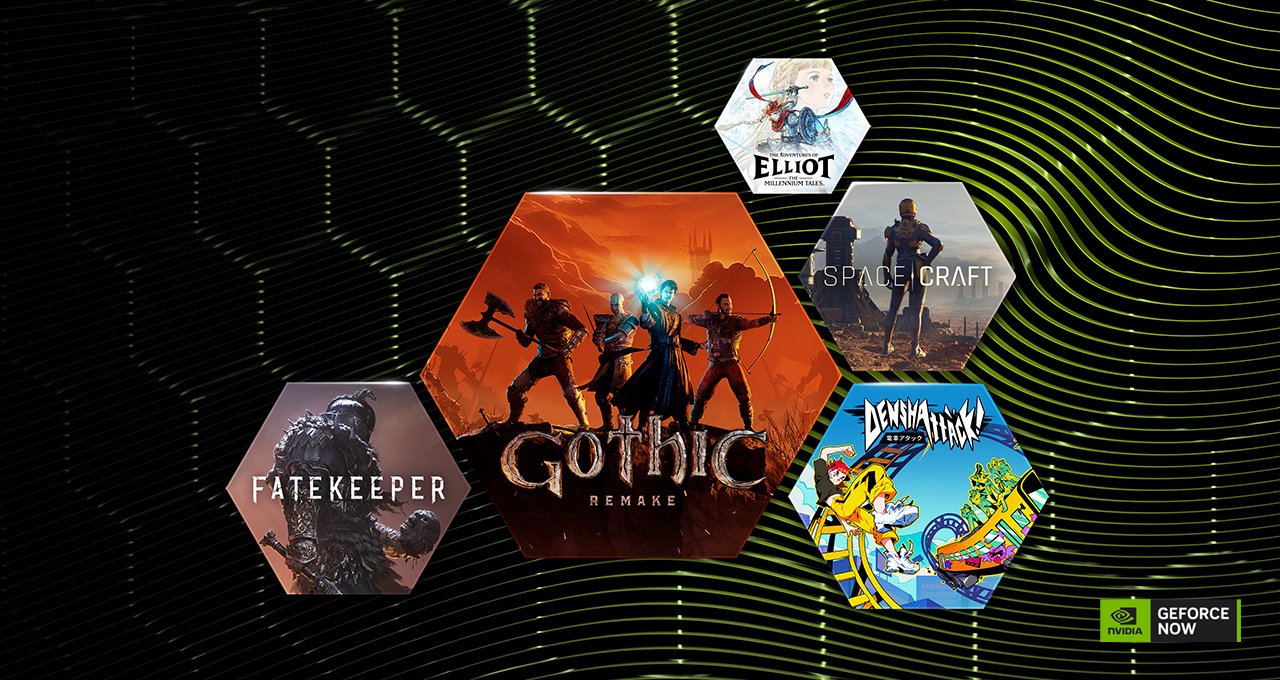
Official platform management streams confirmed the immediate global launch of the Nvidia GeForce Now Summer Promotion. Rather than a standard mechanical adjustment or a basic software client patch, this structural ecosystem update slashes the entry point for premium, remote graphics processing down to a jaw-dropping $64.99 per year. Slicing directly into the traditional boundaries of physical hardware ownership, this official strategy shift allows budget-conscious players to access high-end performance arrays without buying thousand-dollar graphic cards. Let’s look straight beneath the hood at the factory-verified cloud infrastructure tiers, server-side hardware allocations, and architectural network pipelines driving this remote gaming milestone.
Technical Specifications: The GeForce Now Architecture Grid
To truly appreciate how heavily Nvidia’s server architects and cloud software engineers have re-engineered their data center virtualization, remote frame-pacing loops, and video-encoding parameters to deliver this massive service adjustment, let’s map out the verified metrics tracking through the platform:
| System Layer | Verified Cloud Infrastructure Component | Real-World Operational Impact |
| Primary Identifier | Nvidia GeForce Now Annual Service Framework | Establishes a highly optimized, subscription-based alternative to high-tier local physical hardware |
| Priority Tier Node | High-Density Remote RTX Server Array | Delivers steady 1080p rendering targets at a locked 60 frames per second over standard networks |
| Ultimate Tier Node | Enterprise-Grade Blackwell-Class Remote Architecture | Unlocks pristine 4K resolution rendering scales pacing up to an ultra-fluid 240Hz refresh metric |
| Visual Subsystem | Native Real-Time Ray Tracing Core Integration | Emulates realistic global lighting paths, reflections, and ambient occlusion channels seamlessly |
| Data Synchronization | Multi-Platform Digital Library Interconnect | Maps directly to existing user accounts on Steam, Epic Games Store, and Xbox PC Game Pass |
| Network Protocol | Dynamic Bitrate Reflex Streaming Pipeline | Suppresses visual macro-blocking artifacts while continuously compressing input transmission lag |
1. Shattering the Barrier to Entry: The End of the Upkeep Tax
Historically, when a primary interactive entertainment enthusiast prepares to construct a dedicated modern personal computing setup, they rely on a highly calculated, deeply flawed hardware template. They buy a standard mid-tower chassis, source a power-hungry power supply unit, and spend the majority of their budget on a discrete graphics processing unit that becomes obsolete within a few product deployment cycles. This defensive consumer approach protects initial frame rates but permanently traps the buyer in an expensive loop of hardware upgrades, ongoing thermal optimization adjustments, and rising household energy bills.
The operational philosophy behind the new Nvidia GeForce Now subscription strategy completely breaks this historical pattern by choosing absolute infrastructure offloading.
By dropping the entry price of the annual Priority tier to just $64.99—which breaks down to under $5.50 a month—Nvidia is turning remote processing power into a cheap, accessible utility. Instead of spending hard-earned cash on local chip fabrication markup and complex cooling components, gamers can hand off the heavy rendering workload to remote data centers. This clever shift ensures that older laptops, basic office computers, and lightweight handheld systems can run visually demanding titles on ultra settings without generating heat or draining local power reserves.
2. Platform Interconnect Realities: Playing What You Already Own
Beyond the monetary shifts shaking up the market layout, this June 14 pricing update shines a light on a fantastic digital ownership philosophy that directly fixes the single greatest consumer compromise of traditional cloud streaming models. For years, cloud gaming services forced a frustrating double-purchase trap onto players: to play a game on a remote server, you were forced to buy that game again through a closed, proprietary storefront, leaving your existing library behind if the service ever shut down.
The structural architecture driving Nvidia GeForce Now completely avoids this marketplace wall by operating as a pure hardware virtualization layer.
Instead of walling you off in a separate ecosystem, the platform links right into your established profiles on Steam, the Epic Games Store, Ubisoft Connect, and Xbox PC Game Pass. The remote server simply checks what games you already own and spins up a dedicated virtual machine instance to stream them instantly. This open approach preserves your digital gaming legacy, ensuring that every digital game purchase you make remains yours to keep, whether you stream it through a data center or install it locally on a physical machine down the road.
3. Visual Execution Pipelines: Ray Tracing in the Cloud
The interactive simulation space within graphics engineering has spent the last few product lifecycles hitting a clear physical wall regarding real-world ray tracing execution on mid-tier hardware blocks. When mid-range local graphics cards try to track complex, real-time light physics and bouncing reflections, the immense computing stress causes frame rates to crater, forcing users to turn off advanced visual features just to keep the game playable.
The remote server architecture backing the Nvidia GeForce Now network directly counters this hardware limit by deploying high-end Data Center RTX Server Rigs.
By utilizing massive, enterprise-grade server clusters, the platform processes complex global illumination and path-tracing algorithms far beyond the capabilities of a standard home console or mid-range PC. When combined with smart cloud-side upscale features like deep learning super sampling, the network delivers crisp, highly detailed visuals straight to your screen. This advanced data setup proves that high-speed fiber networks can stream gorgeous, ray-traced game worlds to modest devices without requiring massive local computational power.
4. The Streaming Horizon: Taming Input Latency
For tech bloggers, engine developers, and competitive software players who evaluate gaming platforms through the lens of reaction speeds and frame-pacing accuracy, the ultimate mountain cloud streaming must climb is input latency. Sending button presses from a handheld controller up to a remote data center and waiting for the rendered video frame to travel all the way back traditionally creates a noticeable delay that can completely ruin fast-paced action titles.
The system engineering teams at Nvidia are continuously flattening this network delay by utilizing their proprietary Reflex Cloud Streaming Protocol.
By syncing game engine updates directly with the server’s video encoding loop, the platform shaves off critical milliseconds of internal processing lag. The streaming client dynamically changes its video bitrate based on real-time network fluctuations, keeping your controls feeling incredibly tight and responsive even during sudden home internet traffic spikes. This intense focus on input translation ensures that streaming high-speed action feels amazingly smooth and close to a native local gaming experience.
The Verdict: Cloud Infrastructure Officially Matures
The internal platform data and summer pricing updates surrounding Nvidia GeForce Now represent an uncompromised, masterfully calculated triumph for remote computing accessibility and cloud virtualization logic. By matching an ultra-low $64.99 annual entry tier with deep digital library integration, high-end server-side ray tracing capabilities, and highly optimized network latency management, Nvidia has established an outstanding milestone that completely redefines the modern gaming landscape.
Pros
- Unbeatable Value Curve: The $64.99 annual Priority price point delivers premium, high-tier graphics performance for less than the cost of a single new AAA game.
- Total Library Freedom: Linking directly into Steam, Epic Games, and Xbox Pass preserves your game collection without forcing annoying duplicate purchases.
- Elite Graphic Fidelity: Enterprise-grade remote servers run advanced real-time ray tracing features without cooking your local handheld or laptop components.
- Excellent Cross-Platform Flow: The lightweight streaming app lets you jump seamlessly between your phone, tablet, television, and old office PC.
Cons
- Strict Network Demands: Enjoying a smooth, artifact-free experience requires a high-quality, stable high-speed internet connection with solid bandwidth.
- Storefront Queue Management: Extreme peak traffic hours on the affordable Priority tier can occasionally result in short wait times before a server slot opens up.
To analyze additional verified platform benchmarking metrics, check out complete server hardware allocation sheets, and explore real-time regional network node maps, you can hop right over to the comprehensive reporting at PC Gamer to track exactly how this massive summer shift in cloud gaming economics is unfolding!
What do you think?
Does the news that Nvidia is dropping its annual GeForce Now subscription prices down to a highly affordable tier make you ready to ditch expensive local hardware upgrades, or do you feel that having a dedicated physical graphics card sitting inside your home PC is still worth the premium cost? Let us know your thoughts in the comment section below!
For a broader, deep-dive look at how modern network infrastructure and digital entertainment ecosystems are adapting to high-density server streaming frameworks, take a look through the comprehensive industry analysis available on the official TechRadar Gaming Space. This analytical platform tracks all the latest server deployment timelines, cloud data benchmarks, and digital marketplace trends reshaping how we interact with software.