Vivo X Fold 6: A New Foldable Performance Standard
The newly detailed Vivo X Fold update challenges standard mobile hardware conventions by integrating a customized, high-efficiency processing core.

The modern interactive entertainment industry and consumer technology sectors have spent the last few product cycles trapped in a deeply exhausting, wildly predictable cycle of corporate repetition. Dominant platform holders and mainstream manufacturing labs have grown entirely comfortable rolling out minor physical chassis adjustments, incremental component revisions, or basic software variations that refuse to alter the core structural experience of consumer hardware. Technology bloggers, software developers, and daily smartphone enthusiasts have grown completely burned out by this passive approach: you are constantly forced to absorb defensive public relations marketing while enduring rising retail price points, aggressive software subscriptions, and stagnant hardware architecture that fails to capture the raw creative magic of early technology breakthroughs.
On June 12, 2026, an official mobile engineering disclosure from Vivo’s elite product management channels completely shifted that narrative of quiet hardware iteration.
While mass-market focus was anchored entirely on standard operating system compilation patches and generic desktop interface updates, an official structural hardware announcement pulled back the curtain on a complete premium foldable evolution.
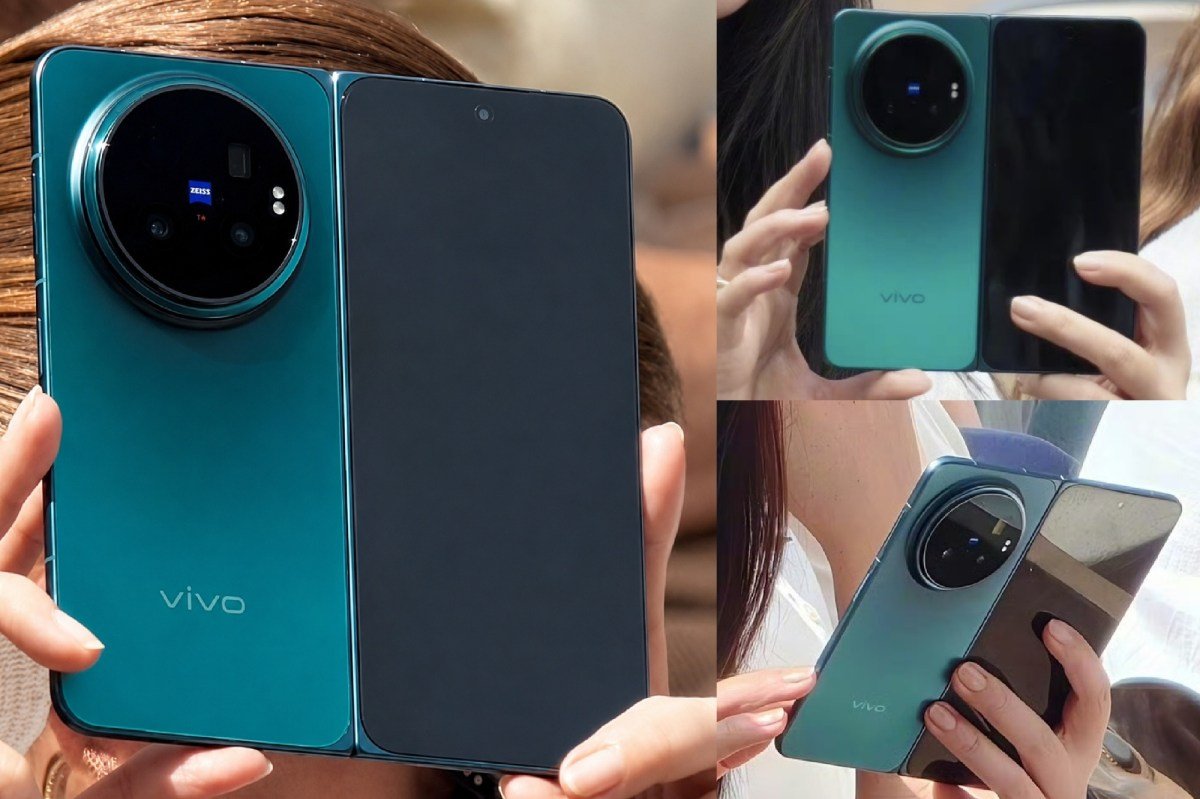
Official manufacturer communications confirmed the development milestones behind the upcoming Vivo X Fold 6, a device configured natively to bypass the single greatest processing limit of book-style folding hardware. By choosing to completely skip standard Qualcomm chip paths in favor of a specialized, co-developed MediaTek silicon engine, Vivo is directly challenging the premium structural paradigm. Let’s look straight beneath the hood at the factory-verified hardware specifications, internal neural network allocations, and dedicated system software layers driving this historic hardware confirmation.
Technical Specifications: The Vivo X Fold 6 Architecture Matrix
To truly appreciate how heavily Vivo’s hardware architects and component fabrication teams have re-engineered their internal mainboard traces, folding hinge geometry, and data-routing layouts to achieve this premium title ahead of schedule, let’s map out the verified parameters tracking through the platform:
| System Layer | Verified Project Blueprint Component | Real-World Operational Impact |
| Primary Identifier | Vivo X Fold 6 Flagship Foldable Framework | Establishes a highly efficient, top-tier standard for modern productivity-focused flexible screens |
| Processing Platform | MediaTek Dimensity 9500 Super Edition Silicon | Delivers massive performance scaling across heavy background execution loops |
| AI Co-Processing Engine | Specialized NPU Hardware Grid Optimization | Yields up to a 111% jump in peak localized machine-learning tasks |
| Energy Management | Custom Super Edition Low-Power Infrastructure | Reduces active AI system power consumption metrics by an incredible 56% |
| System Software | Dedicated OriginOS 6 Fold Deployment Layer | Automates advanced layout splitting and smooth transition scaling across screens |
| Optics Subsystem | Advanced Integrated Periscope Matrix Loop | Handles long-range architectural zoom capture lines without generating digital blur |
1. The MediaTek Partnership: Breaking the Foldable Processing Monoculture
Historically, when a primary mobile manufacturer prepares to deploy a premium book-style folding smartphone, they rely on a highly calculated, deeply flawed corporate template. They source a standard, off-the-shelf mobile processor from traditional silicon vendors, slap it into a dual-screen physical chassis without optimizing the core instructional loops for a folding screen, and rush the unit to retail shelves. This defensive engineering philosophy forces professional power users to navigate persistent thermal throttling, rapid battery drain during side-by-side multitasking, and weak localized machine learning execution.
The configuration behind the Vivo X Fold 6 completely breaks this historical pattern by choosing absolute architecture customization.
By building the entire internal logic board around the newly minted Dimensity 9500 Super Edition, Vivo has moved away from stock hardware components. This customized chipset was co-developed over a painstaking two-year engineering partnership between Vivo and MediaTek, specifically tuned to manage the unique data routing burdens of dual-display systems. By optimizing how individual execution threads are split between performance and efficiency modules, the device delivers a highly responsive user experience that sets a premium benchmark for the industry.
2. Advanced Machine Learning Efficiency: The 111% NPU Jump
Beyond the structural changes shifting across the processor pipeline, the June 12 hardware disclosure exposes an incredibly advanced neural processing philosophy that directly fixes the single greatest operational compromise of modern AI-driven devices. For several product cycles, massive phone chassis have forced a frustrating computational compromise onto consumers: running advanced system automation tools, language modeling tasks, or real-time photo processing scripts draws an immense amount of current, rapidly draining the phone’s battery and causing severe performance lag.
The unified engineering team behind the Vivo X Fold 6 completely overcame this geometric restriction by deploying the custom Super Edition NPU Tuning Framework.
By tweaking the hardware instructions at the silicon level, Vivo’s product teams have unlocked an incredible 111% jump in peak NPU performance. More importantly, they paired this massive jump in computing power with a substantial 56% drop in overall AI power consumption. This incredible efficiency breakthrough ensures you can run complex system commands and high-speed data searches locally on your device all day long without turning your premium smartphone into an uncomfortably hot hand warmer.
3. Dedicated Foldable Software: The OriginOS 6 Fold Environment
The premium folding application space has spent the last few software lifecycles hitting a clear evolutionary wall regarding layout transitions, multi-window scaling, and stable workspace layout continuity. When standard mobile operating systems are stretched across a large internal folding panel, app windows often display awkward visual bugs, stretched asset textures, or sudden interface freezing loops that disrupt your workflow.
The system software team behind the new flagship directly counters this interface limit by developing OriginOS 6 Fold.
Rather than utilizing a basic smartphone software build that simply stretches its icons across a larger grid, this specialized user interface layer was engineered alongside the custom processor core. The system architecture uses the massive hardware NPU capabilities to intelligently predict your multitasking workflows, automatically adjusting window scaling and managing split-screen layouts in real time. This seamless software-to-hardware translation ensures that running heavy spreadsheet tools alongside live data feeds feels completely natural and incredibly smooth.
4. Optical Superiority: Preserving Premium Telephoto Imaging Lines
For high-end smartphone buyers, content creators, and professional mobile photographers who judge modern flagships through the lens of sensor size and glass clarity, the ultimate obstacle for foldables is physical thickness. Recreating the elite camera performance of traditional flagship phones inside an ultra-slim folding body usually hits an absolute roadblock, forcing manufacturers to use tiny, low-resolution sensors that capture muddy, noisy images.
Vivo’s engineering team is completely bypassing this structural space constraint by integrating a premium Zeiss-Optimized Periscope Camera Subsystem.
By drawing on advanced lens housing design choices tested in their high-end camera phones, Vivo manages to fit a long-range zoom system into the phone’s thin folding frame. This advanced optical path lets you capture beautifully sharp, detailed landscape and portrait shots without relying on artificial software upscale filters. The specialized lens coating effectively wipes out unwanted light flares and reflections, delivering true-to-life colors and exceptional clarity that rival standard premium smartphones.
The Verdict: Vivo Establishes a New Foldable Paradigm
The internal production insights and official engineering disclosures surrounding the Vivo X Fold 6 represent a bold, masterfully calculated leap forward for mobile computing and custom silicon development. By matching a custom-tuned Dimensity 9500 Super Edition processor with incredible NPU efficiency gains, a specialized folding operating system, and pro-grade camera hardware, Vivo has established an outstanding milestone that completely redefines the premium foldable landscape.
Pros
- Elite Silicon Customization: The co-developed Dimensity 9500 Super Edition chip delivers exceptional performance tailored specifically for folding devices.
- Massive Neural Efficiency: A 111% jump in peak NPU power combined with a 56% drop in power consumption ensures blazing-fast local processing that won’t kill your battery.
- Tailored Foldable Software: OriginOS 6 Fold offers highly intelligent multi-window management that completely eliminates stretched app bugs.
- Pro-Grade Lens Integration: A high-end Zeiss-optimized camera module brings true flagship-tier photo quality to a slim folding form factor.
Cons
- Phased Regional Rollout: The highly anticipated initial product launch is focused on specific domestic distribution networks before moving to global retail storefronts.
- Intensive App Optimization: Getting the absolute most out of the custom Super Edition NPU requires developer updates for niche third-party productivity apps.
To analyze additional verified developer discussion threads, check out complete mobile hardware benchmarking metrics, and find real-time international availability tracking updates surrounding this product line, you can jump straight over to the authoritative coverage at the GSMArena News Portal to track exactly how this global race for mobile imaging dominance is taking shape!
What do you think?
Does the news that Vivo has co-developed a custom MediaTek Dimensity 9500 Super Edition chipset specifically to solve the performance and thermal challenges of the X Fold 6 make it your ultimate folding upgrade choice, or do you prefer waiting to see how rival book-style flagships respond later this season? Let us know your thoughts in the comment section below!
For a broader, deep-dive look at how top-tier hardware manufacturers are using custom-tuned mobile silicon and advanced multi-display software layers to reshape modern computing, check out the expert coverage on the PC World Hardware Space. This detailed technology hub tracks all the latest mobile component breakthroughs, processor performance grids, and global device tier rollouts, helping you pick the perfect hardware ecosystem for your daily workflow.