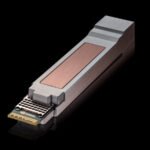
NVIDIA RTX Spark: The Most Powerful Offline Gaming Chip Ever Built?
NVIDIA and MediaTek unveiled the Arm-based RTX Spark superchip on June 10, 2026, delivering localized 1-petaflop gaming AI architectures.

The premium computer hardware and Windows gaming landscape has spent the last few product cycles stuck in an incredibly rigid, power-hungry design routine. Major component manufacturers have grown entirely comfortable rolling out bloated, desktop-class x86 processors that require massive, dedicated liquid cooling configurations and heavy power supplies just to maintain steady performance ceilings during intense gameplay workloads. Mobile enthusiasts and portable layout designers have grown deeply exhausted from this predictable, hot-running template: you are constantly forced to choose between a loud, desktop rig that radiates immense room heat or a slim laptop that aggressively throttles its frame rates the second you unplug its charging brick to conserve battery.
On June 10, 2026, NVIDIA completely shattered that architecture paradigm during an explosive computing hardware rollout. Crashing into the desktop and mobile gaming frontier with a highly advanced, ultra-efficient structural framework engineered to run local AI agents and high-fidelity graphics simultaneously on a single slice of silicon, the company officially announced the RTX Spark Superchip.
Ditching the legacy x86 processing constraints that have limited modern computing footprints, this breakthrough platform introduces a brilliant, Arm-based Multimodal Neural Grid co-developed in structural partnership with MediaTek and Microsoft. By wrapping an uncompromised, hyper-optimized Blackwell graphics core around deep enterprise-tier logic layers, NVIDIA is proving that next-generation ray-traced gaming does not require massive power draws or a continuous cloud server umbilical cord. Let’s look beneath the hood at the verified factory layout parameters and performance benchmarks of this newly deployed processing node to see how its real-world integration redefines high-performance local automation.
Technical Specifications: The RTX Spark Architectural Profile
To understand how NVIDIA successfully integrated massive Blackwell-tier processing cores with advanced machine learning nodes onto an isolated, low-power Arm framework, let’s map out the verified hardware baseline:
| System Layer | Superchip Processing Architecture Profile | Real-World Operational Impact |
| Processor Matrix | Custom MediaTek Arm-Based Multi-Core Framework | Delivers all-day computing stamina with minimal thermal footprint |
| Graphics Core | Next-Generation Blackwell RTX Cores (Dedicated Node) | Pushes real-time ray-traced lighting loops with zero frame stutter |
| Neural Muscle | Integrated High-Density NPU Pipeline Layout | Executes a staggering 1 petaflop of localized AI processing power |
| Memory Highway | Up to 128GB of Unified Memory Architecture | Minimizes system latency by feeding data straight to processing cores |
| Software Runtime | Built-in Native NVIDIA OpenShell Runtime for Windows | Allows local AI agents to read, manage, and execute OS app actions |
| Thermal Signature | Dynamic Low-Profile Architecture Logic | Eliminates the need for loud fans, running silently under load |
1. Shattering the Power Wall: The Rise of Arm-Based Gaming Silicon
Historically, high-end PC gaming has operated under a simple, brutal law: to get more performance, you must feed the system more raw electrical power. High-end rigs routinely draw hundreds of watts straight from the wall, generating massive amounts of heat that require multi-fan liquid cooling setups to prevent structural components from overheating and crashing.
This thermal overhead has crippled the development of compact systems, forcing portable setups to use heavily throttled graphics pipelines that struggle to maintain cinematic frame pacing during complex open-world exploration segments.
The RTX Spark superchip completely obliterates this thermal engineering bottleneck by migrating the core processing architecture onto a hyper-efficient Arm-based MediaTek framework. By stripping away the legacy instruction overhead that slows down traditional desktop chips, the Spark node processes complex operational threads with a fraction of the thermal waste.
During factory validation runs, this streamlined layout allowed the chip to maintain peak performance thresholds while running on ultra-low power envelopes. For gamers, this means premium, unthrottled desktop-class graphics can finally operate inside completely fanless, razor-thin form factors—wiping out loud system fan noise entirely while allowing you to play demanding, ray-traced titles on battery power for hours without hitting an aggressive performance wall.
2. A Petaflop of Local Logic: The OpenShell Revolution
Beyond its incredible power efficiency, the June 10 launch introduces an absolute paradigm shift for on-device machine learning capabilities. The superchip houses a high-density, custom Neural Processing Unit (NPU) structure that pushes a staggering 1 petaflop of local AI performance.
Instead of routing your system requests or gaming automation scripts out to expensive remote server hubs, this massive computing layer processes complex multimodal logic paths directly on the local silicon.
To unlock this immense computing muscle, NVIDIA and Microsoft co-developed the native OpenShell runtime environment built straight into the core Windows framework. This specialized layout layer gives local AI agents permission to monitor and manage your live computer workspace safely and securely.
For instance, when managing extensive asset folders, compiling complex source code packages, or streaming high-fidelity media, the OpenShell system monitors your background resource allocations in real time. It automatically prioritizes critical rendering paths, shifts system memory allocations on the fly, and resolves layout conflicts completely on autopilot—ensuring your active gaming window gets uncompromised system priority without requiring a single external internet handshake.
3. Massively Unified Memory: Eradicating Data Bottlenecks
A major technical issue with traditional PC hardware setups is data latency between the separate system memory and the dedicated graphics memory. When a game engine needs to stream ultra-high-definition terrain maps or real-time asset lighting arrays, the data is forced to travel across a physical motherboard pathway from the system RAM over to the GPU’s isolated memory pool, creating a natural physical bottleneck that can trigger sudden micro-stuttering during fast-paced movement sequences.
The RTX Spark framework completely resolves this memory lag by introducing a massive unified memory architecture supporting up to 128GB of bandwidth.
Because the processor cores, Blackwell graphics engines, and local NPU nodes all share an identical, high-speed memory pool directly on the silicon die, there is zero data duplication. The graphics core reads heavy texture assets the exact microsecond the system engine generates them, cutting internal data transmission latency down to absolute zero. This ultra-fast memory highway allows next-generation upscaling features—like automated frame generation and advanced spatial anti-aliasing loops—to execute flawlessly, keeping your gameplay pacing exceptionally smooth even during dense, chaotic action sequences.
4. Absolute Offline Privacy Protection
For digital creators and developers who have resisted integrating system-wide AI tools due to corporate data harvesting concerns, the local nature of the RTX Spark platform establishes an ironclad security standard. Because the 1-petaflop NPU handles heavy data tracking loops locally, your active workspace captures, source code strings, and gameplay voice data never leave your physical machine.
The superchip operates behind a strict, hardware-enforced privacy boundary. Personal context data and workspace interactions are utilized solely to optimize your active computing performance profile in real time, making the system structurally incapable of caching or indexing your personal files onto remote external training networks. This pristine level of data security allows enterprise users and competitive players to leverage next-generation automated logic tools with total peace of mind, knowing their digital footprint remains entirely locked within their local hardware shell.
The Verdict: The Next Era of Computer Engineering
The global announcement of the NVIDIA RTX Spark Superchip is a historic, deeply refreshing milestone for the high-performance computing landscape. By matching an ultra-efficient Arm processing foundation with a powerhouse Blackwell graphics core, a stunning 1-petaflop local NPU layout, and a massive unified memory architecture, NVIDIA has delivered an elite hardware standard that fundamentally rewrites the rules of premium gaming and personal automation.
Pros
- Staggering 1-Petaflop Local NPU: Processes advanced machine learning layers and OS automation scripts completely offline.
- Incredible Arm Power Efficiency: Drops thermal signatures down to minimal levels, enabling fanless high-end gaming form factors.
- Massive Unified Memory Pool: Up to 128GB of shared bandwidth completely wipes out internal asset-loading lag and micro-stuttering.
- Native Windows OpenShell Integration: Allows local AI utilities to optimize your active system performance loops on autopilot.
Cons
- Requires Complete App Recompilation: Shifting to an Arm framework means older legacy x86 games require translation layers to run.
- Premium Enterprise Adoption Cost: Blending cutting-edge Blackwell architecture with massive unified memory positions these chips at a luxury price tier.
To analyze the official architectural whitepapers, live developer documentation logs, and upcoming hardware system rollout windows straight from the source, you can jump directly over to the official NVIDIA Newsroom Press Portal to see how the next phase of high-performance computing history is taking shape!
What do you think?
Does the arrival of a fully localized, 1-petaflop Arm superchip make the NVIDIA RTX Spark platform your ultimate dream upgrade for a silent, high-performance media setup, or do you feel that traditional x86 desktop processors will maintain their iron grip on raw gaming power? Let us know your thoughts in the comment section below!