Logitech G Pro X 2 Lightspeed Review: Is Graphene the Future of Esports Audio?
Experience the Graphene revolution. This technical review breaks down the Logitech G Pro X 2 Lightspeed's pinpoint audio and comfort.

For years, competitive gamers faced an annoying compromise: choose a wired headset for instantaneous audio transmission, or go wireless for freedom of movement while risking minor audio latency and muddy sound design. While modern 2.4GHz wireless tech eventually solved the latency puzzle, the audio clarity itself often lagged behind professional-grade studio headphones.
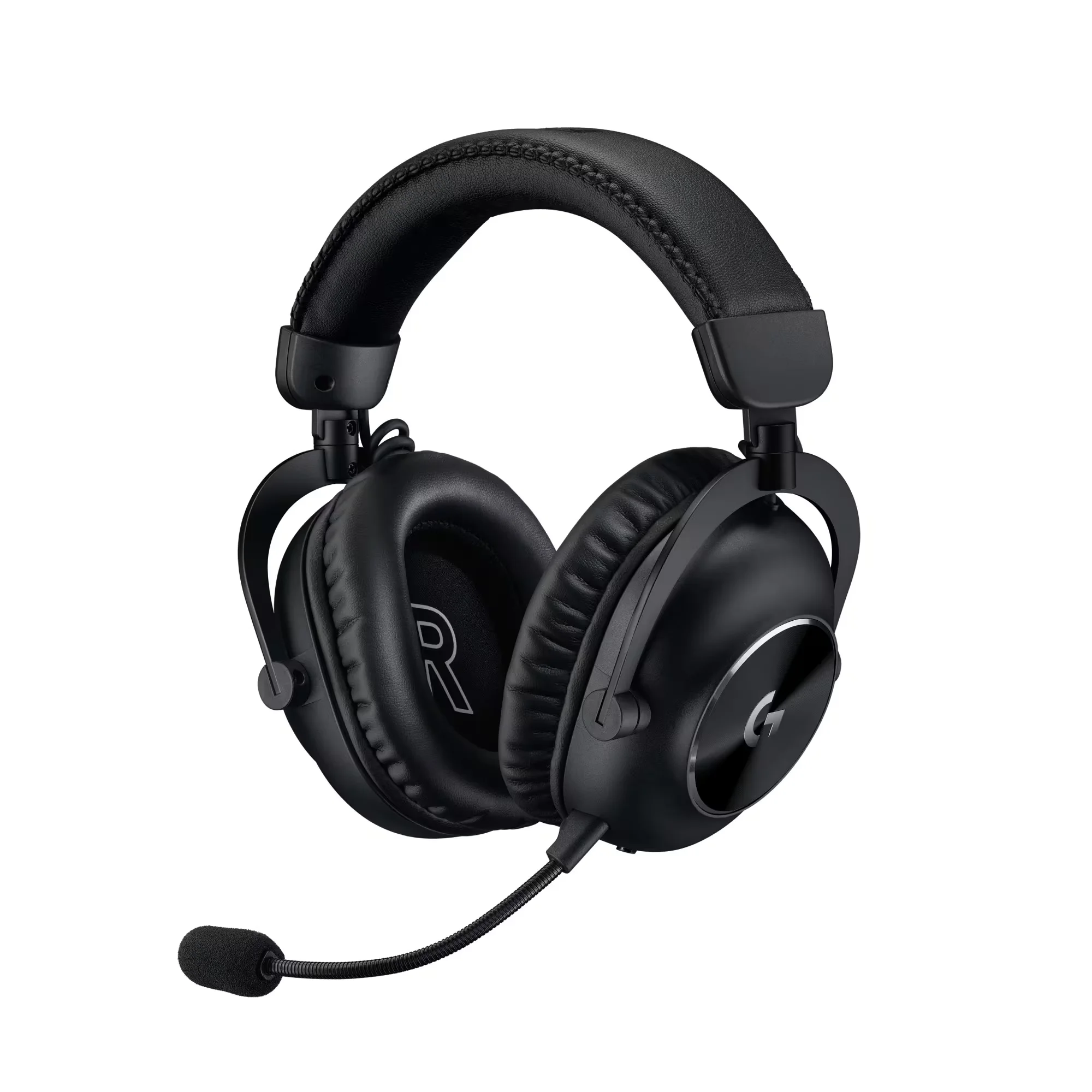
Enter the Logitech G Pro X 2 Lightspeed. Designed in collaboration with professional esports athletes, this premium headset claims to solve the fidelity problem by introducing a revolutionary piece of material science to the gaming market: 50mm Graphene drivers.
Clocking in at a premium tier, this peripheral promises elite spatial awareness, lightning-fast audio responsiveness, and marathon comfort. But does a material prized by aerospace engineers actually translate to more headshots in Counter-Strike 2 or better positional awareness in Valorant?
Let’s dive into our comprehensive, hands-on review to find out if the Logitech G Pro X 2 Lightspeed justifies its premium price tag.
Technical Specifications: At a Glance
Before dissecting the performance, let’s look under the hood at the core infrastructure powering this headset:
| Feature | Specification |
| Audio Drivers | 50mm PRO-G Graphene |
| Frequency Response | 20 Hz – 20,000 Hz |
| Wireless Protocol | 2.4GHz Lightspeed, Bluetooth, 3.5mm Wired |
| Battery Life | Up to 50 Hours (USB-C Rechargeable) |
| Microphone | 6mm Cardioid (Detachable) on Blue VO!CE |
| Weight | 345 grams |
| Spatial Audio Support | DTS Headphone:X 2.0 Surround Sound |
Design and Build Quality: Stealth Meets Comfort
At first glance, Logitech didn’t try to reinvent the wheel with the aesthetics of the Pro X 2. It retains the sleek, minimalist, “stealth pilot” look of its predecessor. There are no aggressive angles, no gaudy, battery-draining RGB rings, and no futuristic protrusions. It looks just as at home on a professional studio editing desk as it does on an esports main stage.
Framework and Structural Integrity
The core framework is built using a combination of a durable steel headband and lightweight aluminum forks. This choice of metals strikes an exceptional balance between flexibility and structural resilience. The clamping force is initially firm—as expected from a competitive headset designed to isolate sound—but it breaks in within a few days, distributing pressure evenly across the skull without creating painful pressure points around the jawline.
Ear Cup Materials and Rotation
One massive upgrade over the original model is the inclusion of rotating durable hinges. The ear cups can now rotate a full 90 degrees, allowing the headset to rest flat around your neck during breaks.
Logitech also includes two distinct sets of ear pads in the box:
- Premium Leatherette: Pre-installed for maximum passive noise isolation, trapping low-end frequencies and sealing off external household noise.
- Breathable Cloth/Velour: Perfect for warm climates or gamers prone to overheating during intense, multi-hour rank grinds.
The Graphene Revolution: Sound Quality and Spatial Audio
The true centerpiece of the G Pro X 2 Lightspeed is the 50mm PRO-G Graphene driver array. To understand why this matters, we have to look at traditional headset construction.
Standard gaming headsets use mylar or generic plastic diaphragms that flex when producing sound. At high volumes or during complex acoustic moments (like an airstrike exploding while an enemy is reloading nearby), these plastic diaphragms warp slightly, causing acoustic distortion and muddying individual sound layers.
What is Graphene? Graphene is a single layer of carbon atoms arranged in a hexagonal lattice. It is incredibly lightweight yet structurally stiffer than steel. Because it does not deform under rapid acoustic vibrations, it delivers audio with virtually zero distortion and near-instantaneous transient response.
In-Game Performance: Competitive Scenarios
Testing this headset in tactical first-person shooters reveals immediately where the investment pays off. In titles like Valorant and Apex Legends, audio clarity is pristine.
Instead of hearing a generalized “thud” indicating an enemy footsteps somewhere to your left, the G Pro X 2 allows you to pinpoint the exact material they are walking on. You can easily differentiate between a character running on wooden boards versus concrete, even while automatic weapon fire is occurring nearby. The separation of audio channels prevents low-end bass explosions from masking high-frequency audio cues like armor cracks, defuser taps, or reload clicks.
Music and Media Consumption
While many gaming headsets fall flat when transitioning to music, the acoustic purity of Graphene provides a highly enjoyable audiophile-adjacent experience. The bass is tight and punchy without sounding artificially bloated, the mids are forward and clear (making vocal-heavy tracks shine), and the highs are incredibly crisp without inducing piercing ear fatigue.
Wireless Connectivity and Battery Lifespan
Logitech’s proprietary Lightspeed 2.4GHz wireless protocol remains the gold standard in low-latency gaming peripherals. When connected via the included USB-A wireless dongle, the connection is entirely indistinguishable from a physical wire. There are zero dropouts, zero audio drifting, and zero noticeable latency, even in environment congested with multiple routers and wireless smart devices.
Multi-Platform Flexibility
The G Pro X 2 adds Bluetooth connectivity to its arsenal, alongside a traditional 3.5mm headphone jack for legacy devices and console controllers. With the push of a dedicated button on the left ear cup, you can rapidly toggle between your PC setup and your mobile phone or Nintendo Switch.
Note: Unlike some competitors (such as the Astro A50 X), the Pro X 2 does not support simultaneous dual-audio mixing. You cannot hear your PC game audio and a Bluetooth phone call at the exact same time; it acts as an either/or toggle.
50-Hour Battery Marathon
Battery life is rated at an impressive 50 hours on a single charge. During our testing phase, playing roughly 4 to 5 hours a day, the headset easily survived over a week of heavy use before requiring a USB-C cable top-up. The lack of RGB lighting pays massive dividends here, ensuring every milliamp of battery capacity goes directly toward acoustic performance rather than light shows.
Software Customization: Powering up G HUB
To truly unlock the potential of this headset, installing Logitech’s G HUB software is mandatory. Out of the box, the flat, natural sound signature of the Graphene drivers might feel underwhelming to users accustomed to cheap, bass-boosted consumer headphones.
Inside G HUB, you are greeted with a fully customizable parametric equalizer. You can build specialized sound profiles or download custom presets created by esports professionals.
DTS Headphone:X 2.0 Surround Sound
The software toggles the virtual DTS Headphone:X 2.0 surround sound engine. While virtual surround sound can occasionally sound artificial in linear single-player games, Logitech’s implementation offers clear room spatialization, making open-world campaign games sound massive and deeply cinematic.
Microphone Performance: The Weakest Link?
If there is one area where the Logitech G Pro X 2 Lightspeed takes a step back compared to its acoustic triumphs, it is the 6mm detachable microphone capsule.
Out of the box, the raw microphone quality sounds somewhat compressed and thin. It is perfectly functional for Discord calls, tactical coordinate callouts, and basic party chats, but it falls short of the broadcast-quality audio found on competitor options like the Razer BlackShark V2 Pro line.
Saving Grace: Blue VO!CE Software
Fortunately, the microphone hardware is rescued significantly by the integrated Blue VO!CE processing suite inside G HUB. Activating this feature gives you access to real-time voice filters, noise reduction, limiters, and compressors. Spending ten minutes tweaking these settings helps eliminate background keyboard clicks and turns a mediocre microphone sound into a rich, full voice signature.
The Verdict: Is the Logitech G Pro X 2 Worth It?
The Logitech G Pro X 2 Lightspeed is not a budget-friendly option, nor does it pretend to be. It is a premium, laser-focused piece of hardware designed specifically for gamers who demand absolute acoustic perfection, low-latency execution, and long-term durability.
Pros
- Incredible Audio Clarity: The Graphene drivers offer unrivaled detail and separation of audio layers.
- Superior Battery Life: Easily hits its 50-hour mark without issue.
- Enhanced Ergonomics: Swiveling ear cups add immense lifestyle comfort.
- Rock-Solid Wireless: Lightspeed tech delivers zero lag.
Cons
- Premium Price Point: Quite expensive for casual users.
- Mediocre Stock Mic: Requires software tweaking to sound premium.
- No Simultaneous Audio: Cannot play 2.4GHz and Bluetooth streams concurrently.
If you are a casual gamer looking for an inexpensive way to chat with friends, you are better off looking at budget alternatives like the HyperX Cloud Stinger series. However, if you are a competitive ladder climber or a dedicated esports enthusiast looking for every legal audio advantage possible, the material science upgrade is real. The Logitech G Pro X 2 Lightspeed is a phenomenal investment that will anchor your battle station for years to come.
What do you think?
Are you planning to upgrade your audio setup for competitive play, or do you prefer prioritizing a great microphone out of the box? Let us know in the comments below!