ASUS ROG Ally 2 Review: The King of Windows Handhelds Gets Its Dream OLED Upgrade
Discover the ultimate Windows handheld PC. This in-depth review breaks down its breathtaking 120Hz VRR OLED screen and performance.

The handheld PC gaming market has officially evolved past its experimental phase. We are no longer making excuses for poor battery life, terrible Windows navigation, or washed-out screens just for the novelty of playing AAA games on a train. As we hit the middle of 2026, the hardware has caught up to our expectations.
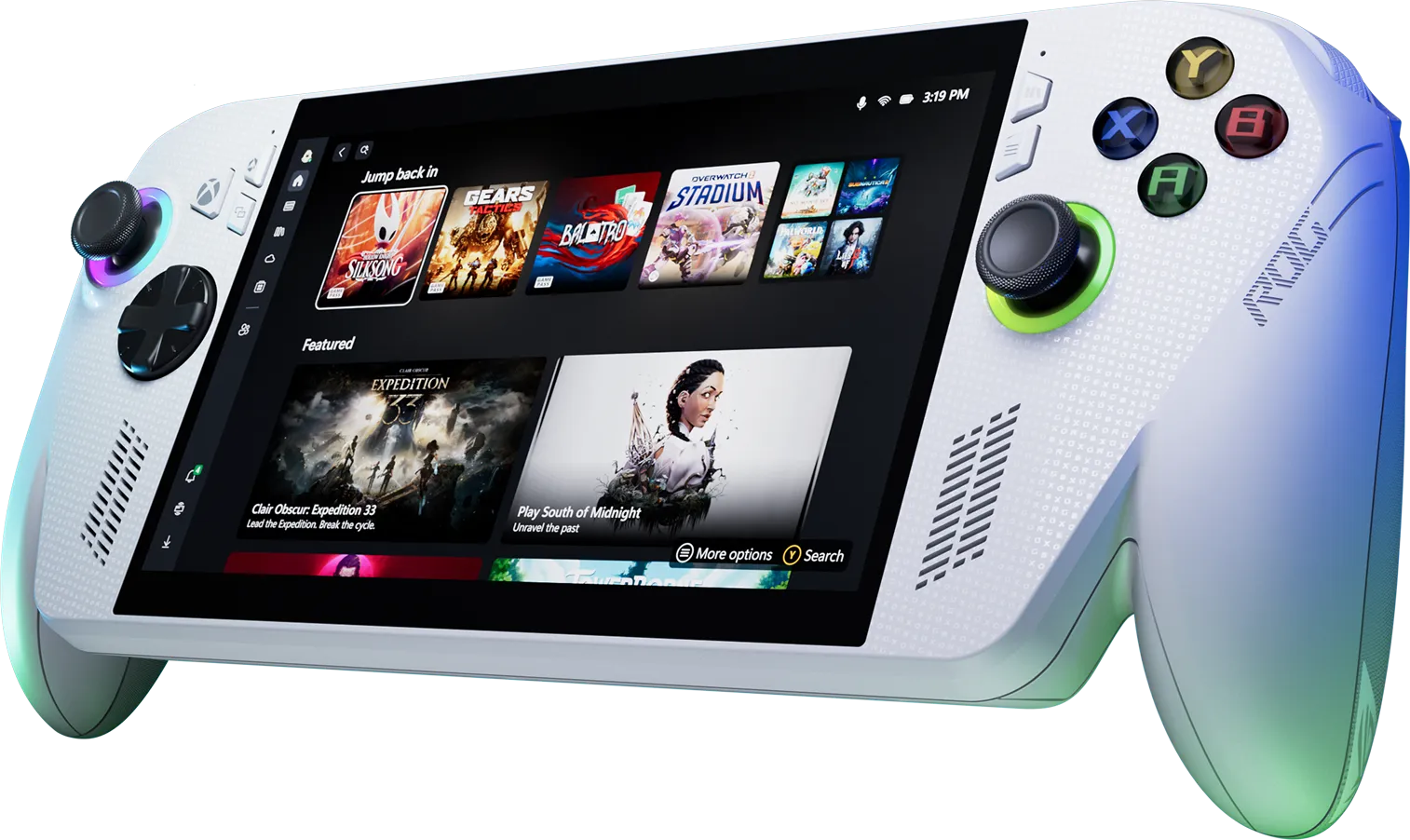
While the original ROG Ally changed the game with its Z1 Extreme chip, it was held back by mediocre battery endurance and a standard LCD panel. Enter the newly launched ASUS ROG Ally 2 (2026 Refresh). Addressing almost every single major complaint from the first generation, this new handheld introduces a breathtaking OLED display and next-gen silicon designed to maximize frame rates on the go. This deep-dive review covers everything from synthetic performance to ergonomics to see if it claims the portable crown.
Technical Specifications Overview
Before diving into real-world benchmarks, let’s break down the massive hardware leap ASUS has packed into this chassis:
| Feature | ASUS ROG Ally 2 (2026 Refresh) Specifications |
| Display Panel | 7.4-inch VRR OLED, 1080p, 120Hz, 1,000 nits peak (HDR) |
| Processor (APU) | AMD Ryzen Z2 Extreme (Built on Zen 5 & RDNA 3.5 architecture) |
| Memory | 32GB LPDDR5X (Dual-Channel) |
| Storage Architecture | 1TB / 2TB NVMe M.2 2280 SSD (Easily upgradeable) |
| Battery Capacity | 80Wh dual-cell lithium-ion |
| Connectivity | Wi-Fi 7, Dual Bluetooth 6.0, 2x Thunderbolt 4 / USB4 Ports |
| Operating System | Windows 11 Home with Armoury Crate SE 2.0 |
The Screen Upgrade We Needed: 120Hz VRR OLED
The star of the show is the brand-new 7.4-inch OLED display. If you thought the Steam Deck OLED was the gold standard, ASUS just raised the bar by keeping two crucial features the competition lacks: 1080p resolution and a Variable Refresh Rate (VRR) pipeline.
Playing graphically demanding titles like Cyberpunk 2077 or S.T.A.L.K.E.R. 2 on a handheld means your frame rates will naturally fluctuate between 45 and 60 FPS. On a standard screen, this causes massive stuttering. Thanks to the Ally 2’s VRR panel, gameplay feels incredibly smooth even when the frame rate dips.
The color performance is stunning. With perfect per-pixel blacks and an incredibly bright peak output in HDR mode, dark, atmospheric games possess a level of depth that standard LCD handhelds simply cannot replicate.
Performance: The Ryzen Z2 Extreme Powerhouse
Under the hood, the ROG Ally 2 is powered by the highly anticipated AMD Ryzen Z2 Extreme APU. Utilizing Zen 5 processing cores combined with RDNA 3.5 graphics architecture, the generational performance leap is immediately apparent.
Real-World Gaming Benchmarks (720p/1080p Mixed Settings)
- Forza Horizon 5 (1080p, Medium Settings): Runs at a locked, buttery smooth 75-82 FPS in the device’s 15W Performance Mode.
- Elden Ring (1080p, Low/Medium Mix): Stays remarkably stable between 48-55 FPS during intense open-world combat bosses.
- Indie Titles (Hades II / Dead Cells): Maxes out the screen’s 120Hz refresh rate easily while pulling minimal power, allowing you to game for hours.
ASUS also made a massive pro-consumer move by switching the internal SSD slot to a standard M.2 2280 size. You no longer have to pay a premium for tiny 2230 drives if you want to upgrade your storage to 2TB or 4TB; you can buy standard, readily available desktop drives.
Fixing the Battery: The 80Wh Beast
The biggest flaw of the original Ally was its abysmal 40Wh battery, which would frequently die in under an hour when playing demanding games. ASUS solved this completely by duplicating the strategy from their experimental Ally X and loading a massive 80Wh battery into the Ally 2.
- Heavy AAA Gaming (25W Turbo Mode): Yields roughly 2.2 to 2.5 hours of continuous un-plugged runtime.
- Casual/Indie Gaming (9W Silent Mode): Comfortably clears the 6.5 to 7-hour mark, making it a legitimate companion for long-haul flights.
Software and Ergonomics: Armoury Crate SE 2.0
Navigating Windows 11 with a controller can still be a bit clunky, but ASUS’s updated Armoury Crate SE 2.0 acts as an excellent, seamless console frontend overlay. It boots up instantly, aggregates all your games from Steam, Epic, Xbox Game Pass, and EA Play into a single clean dashboard, and lets you map customized per-game controller profiles.
Ergonomically, despite doubling the battery size, the device doesn’t feel like a heavy brick. The grips are slightly deeper and more angled than the original generation, shifting the center of gravity directly into your palms to prevent wrist fatigue during extended gaming sessions.
Final Verdict: The Definitive Windows Handheld
The ASUS ROG Ally 2 (2026) is the most complete, uncompromised portable PC gaming machine on the market. By marrying a flawless 1080p VRR OLED screen with a massive 80Wh battery and the raw processing capabilities of the Ryzen Z2 Extreme, ASUS has successfully fixed every generational bottleneck.
If you want access to your entire PC game library, flawless compatibility with Game Pass, and elite portable performance without being locked into a single ecosystem, the ROG Ally 2 is the absolute king of the hill.